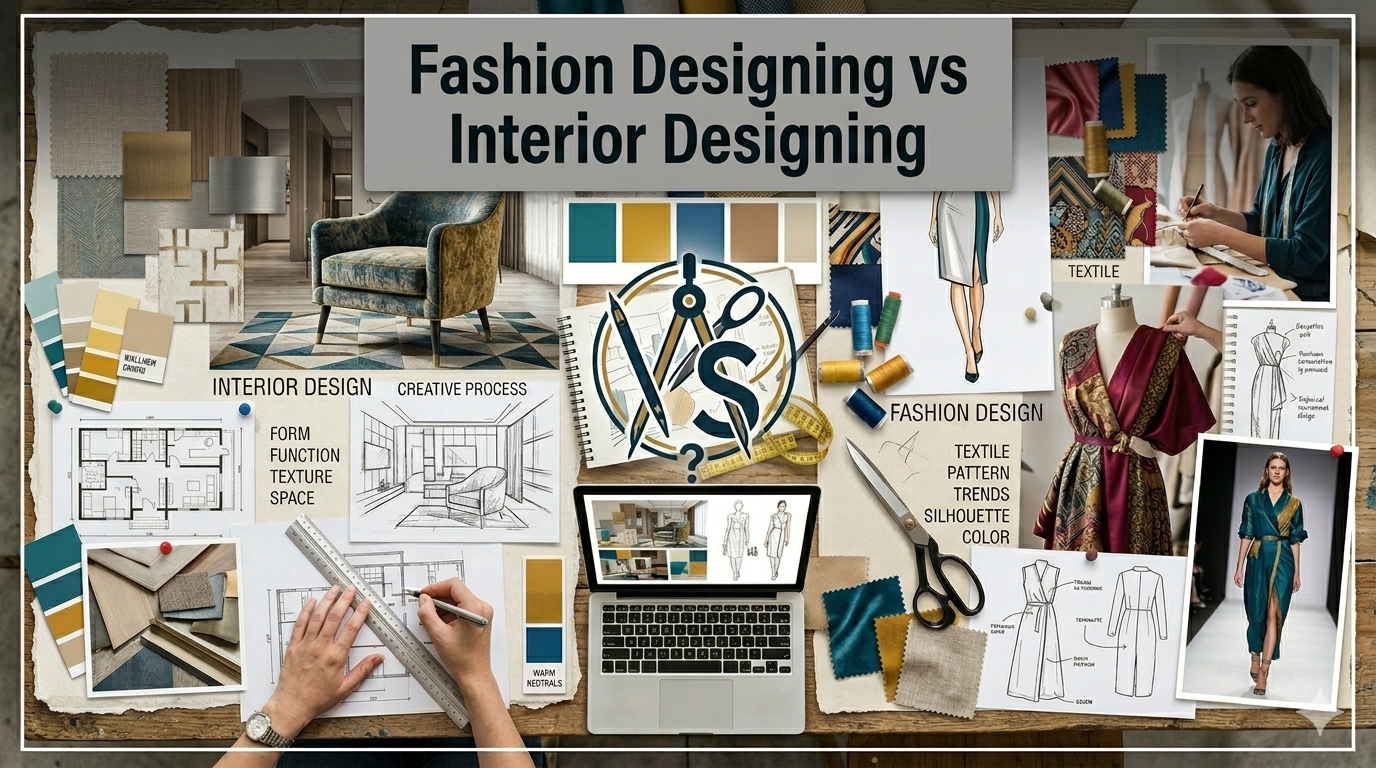
So you love creating things, you have a good eye for aesthetics, and everyone says you’re creative – but now comes the hard question: fashion designing or interior designing? Both are exciting, both pay well, and both need real skill. The difference is in where your creativity lives.
Every year, thousands of students in India face this exact dilemma. Fashion designing sounds glamorous – runways, photoshoots, trend reports. Interior designing sounds sophisticated – beautiful homes, luxury offices, mood boards. But beyond the surface, both careers have their own realities, demands, and rewards.
This article breaks down everything you need to know – salary, skills, course fees, job scope, and which one actually suits your personality. No complicated jargon, no sugar-coating. Just honest information so you can make a confident decision.
What is Fashion Designing?
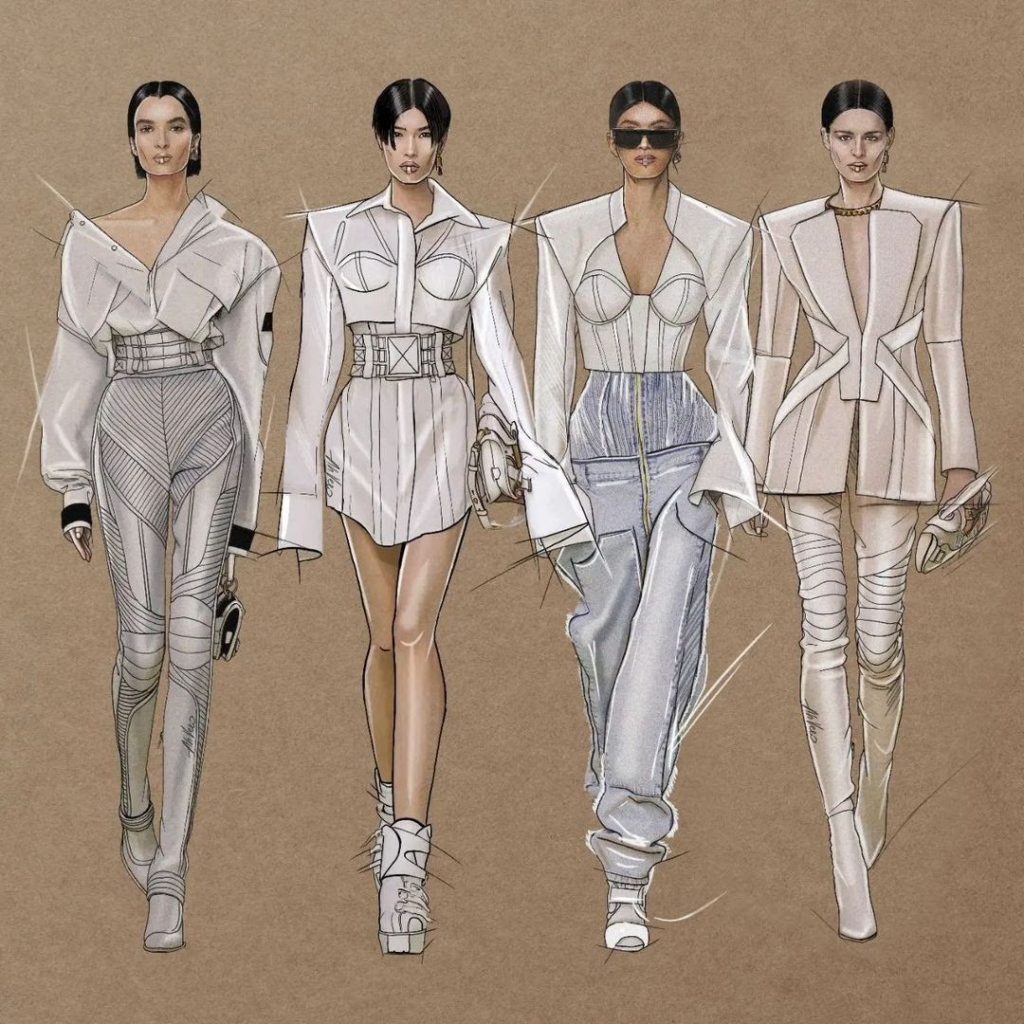
Fashion designing is the creative process of conceptualising and producing clothing, accessories, footwear, and lifestyle products. It goes far beyond sketching pretty outfits. Professional fashion designers research trends, understand fabrics and textiles, consider body ergonomics and cultural preferences, and translate ideas into wearable garments that meet market needs.
A typical day might include:
- Sketching new collections
- Sourcing materials and collaborating with manufacturers
- Using software for pattern-making and 3D draping
- Analysing consumer behaviour and forecasting trends
- Overseeing fittings, production, or styling shoots
Key skills required:
- Strong illustration and sketching ability
- Deep knowledge of fabrics, colour theory, and garment construction
- Trend forecasting and market awareness
- Business acumen (especially for freelancing or starting your own label)
- Proficiency in tools like Adobe Illustrator and CLO 3D
Popular career options after fashion designing:
- Fashion designer (apparel, ethnic wear, sustainable fashion)
- Costume designer for films, TV, or theatre
- Textile or accessory designer
- Fashion stylist or merchandiser
- Buyer for retail brands or D2C labels
India’s fashion industry is thriving, driven by ethnic wear, sustainable practices, and the rise of direct-to-consumer brands. This creates strong opportunities for both salaried roles in metros and entrepreneurial ventures.
What is Interior Designing?
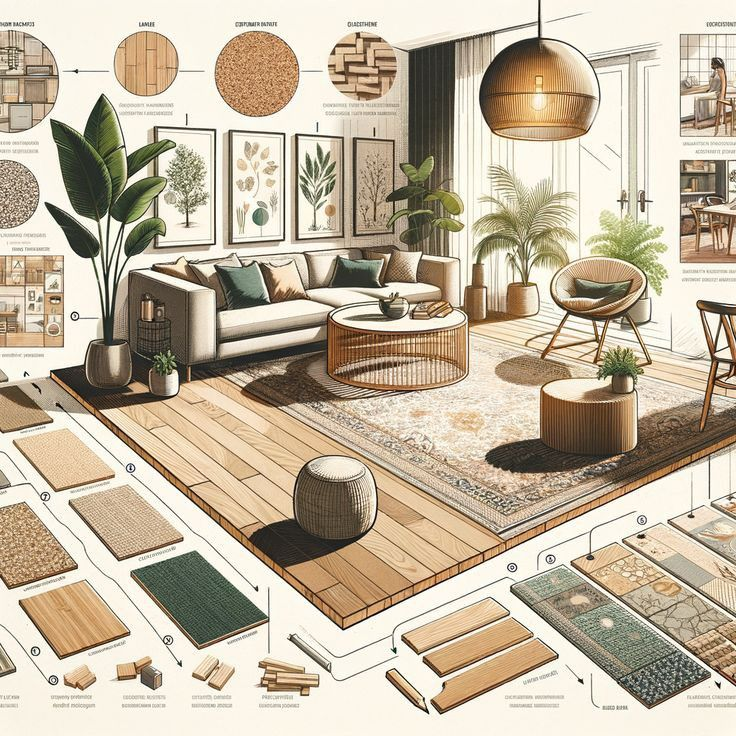
Interior designing is the art and science of transforming indoor spaces – homes, offices, hotels, restaurants, retail outlets, and more – into functional, beautiful, and emotionally resonant environments. It’s not just about choosing curtains or paint colours; it involves space planning, lighting design, material selection, ergonomics, and project execution.
A typical day might include:
- Meeting clients to understand their needs and budget
- Creating 3D layouts and mood boards
- Selecting furniture, finishes, and lighting
- Coordinating with architects, contractors, and vendors
- Overseeing site execution and final installations
Key skills required:
- Spatial thinking and 3D visualisation
- Knowledge of architecture basics, materials, and lighting
- Technical proficiency in CAD software (AutoCAD, SketchUp, Revit)
- Project management and budgeting
- Strong client communication and problem-solving
Popular career options after interior designing:
- Residential or commercial interior designer
- Set designer for films, events, or exhibitions
- Furniture or product designer
- Kitchen and modular space specialist
- 3D visualiser or space planner
India’s real estate boom – especially in Tier-1 and Tier-2 cities – and the push for modern, sustainable living have created consistent demand for skilled interior designers across the country.
Similarities Between Fashion Designing and Interior Designing
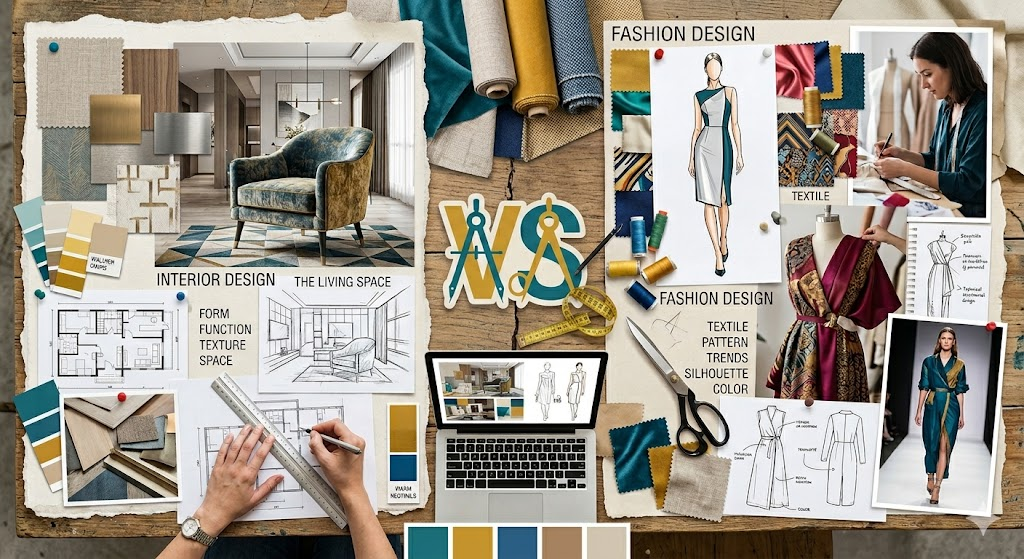
Though they look different on the surface, fashion designing and interior designing share surprising overlaps that make both appealing to creative minds:
- Creative core: Both fields rely on the same foundational principles — colour theory, texture, pattern, proportion, and storytelling. A fashion mood board feels very similar to an interior mood board.
- Client-centric problem solving: In both careers, you start by understanding the end user’s lifestyle, preferences, and budget, then design solutions that enhance their daily experience.
- Visual communication: Sketching, rendering, and presenting ideas visually are essential. Both use software tools to bring concepts to life before production.
- Material expertise: Fashion designers master fabrics and textiles; interior designers master woods, metals, fabrics, and finishes. Understanding how materials behave under different conditions is critical in both.
- Entrepreneurial potential: Both offer excellent scope for freelancing, building your own brand, or starting a studio once you have a strong portfolio.
- Sustainability focus: Today, both careers emphasise eco-friendly materials, ethical sourcing, and circular design practices.
- Interdisciplinary nature: Many professionals eventually blend the two – think fashion retail store interiors, film set design, or lifestyle product lines that combine apparel and home décor.
If you love creativity, attention to detail, and turning ideas into tangible experiences, you’ll find fulfillment in either field.
Fashion Designing vs Interior Designing: A Detailed Comparison
Here’s a clear side-by-side look at the two careers based on 2026 realities in India:
| Aspect | Fashion Designing | Interior Designing |
| Creativity Focus | Fast-paced trends, seasonal collections, personal style | Long-term spatial storytelling, functionality + aesthetics |
| Project Timeline | Weeks to a few months per collection | Months to 1–2 years per full project |
| Work Environment | Studios, factories, fashion weeks, shoots | Studios + frequent on-site visits (construction sites) |
| Entry-Level Salary (2026) | ₹2.5–6 LPA (roughly ₹20,000–₹50,000/month depending on city and employer) | ₹2.5–5 LPA (roughly ₹20,000–₹42,000/month, depending on city and firm size) |
| Mid-Level Salary | ₹6–12 LPA (with higher pay in metro cities, large brands, or D2C labels) | ₹6–15 LPA (depending on project scale and city) |
| Senior/Freelance | ₹12–30 LPA+ (top designers, personal labels, or international clients can earn ₹50 LPA or more) | ₹15–30 LPA+ (high‑end or project‑based consultants can reach ₹50 LPA or more) |
| Job Stability | Mix of seasonal/freelance roles and stable salaried positions in retail, production, and e‑commerce brands | Steadier project pipelines due to real estate growth |
| Geographic Reach | Concentrated in Mumbai, Delhi, Bengaluru | Available across India, including Tier‑2/3 cities |
| Physical Demands | Long hours during fashion weeks and deadlines | Site visits involving dust, travel, and coordination |
| Growth Drivers | Sustainable & ethnic fashion, D2C boom | Real estate expansion, commercial & residential projects |
Verdict on salary: Interior design often edges ahead in mid-to-senior levels because projects are larger in scale and value. Fashion offers higher upside through personal branding and international opportunities.
Verdict on opportunities: Fashion design feels more glamorous and trend-driven; interior design provides broader geographic flexibility and slightly more predictable income.
Which Career Should You Choose?
There’s no single “better” career — only the one that fits you.
Choose Fashion Designing if you:
- Live and breathe clothes, trends, and styling
- Enjoy fast cycles of creation and seeing your work on real people
- Are comfortable with competition and seasonal pressure
- Dream of launching your own label or working with fashion brands
Choose Interior Designing if you:
- Love architecture, spaces, and creating environments people live in every day
- Prefer technical tools, 3D visualisation, and longer project timelines
- Want steadier project flow and wider location options
- Enjoy coordinating teams and seeing physical transformations
Still unsure? Start small. Try short courses or personal projects in both areas. The field that makes time fly and excites you daily is the right one.
How Much Does It Cost to Study Fashion Designing in India?

This is the question most students and families ask first. Here’s a realistic 2026 breakdown:
Government Institutes (e.g., NIFT and similar national-level colleges):
4-year B.Des in Fashion Design at NIFT: approximately ₹10.4–14.1 lakh for most Indian seats, with higher costs (up to ₹15–18 lakh or more) for certain categories or NRI admissions.
This remains one of the most respected and value-for-money options.
State Government / Polytechnic / Art Colleges:
Diploma or B.Sc programmes: ₹50,000 – ₹2.5 Lakh total.
Affordable entry points with solid foundational training.
Private Institutes:
Private Institutes: ₹4–12 Lakh per year (total often ₹16–40 Lakh+ for a full 3–4 year degree, depending on institute reputation, city, and facilities).
Short-term / Certificate / Online Courses:
3–12 months: ₹20,000 – ₹2 Lakh total.
These are increasingly popular because they let you start building a portfolio and earning sooner while keeping costs low. A 6-month fashion design certification is a typical example.
Realistic summary for 2026:
- Government route → ₹10.4–14.1 Lakh (full degree, with notes on higher categories)
- Private route → ₹16–40 Lakh+ (full degree)
- Online/short-term route → ₹20,000 – ₹2 Lakh (flexible skill-building)
Online and short-term programmes have become a smart, accessible way to enter fashion designing without massive upfront investment – especially if you’re self-motivated and focused on building a strong digital portfolio.
Pros and Cons of Both Careers
Fashion Designing
Pros: Glamour, global exposure, constant creativity, strong entrepreneurship scope, growing sustainable fashion segment
Cons: Highly competitive, lower starting pay, seasonal income fluctuations, intense deadlines
Interior Designing
Pros: Steady demand across India, tangible impact on daily lives, higher mid-level earnings, diverse project types
Cons: Technical software learning curve, physically demanding site work, longer sales cycles, dependence on client decisions
Conclusion: So Which One Should You Pick?
Fashion designing and interior designing are both excellent creative careers with strong futures in India. Fashion offers glamour, speed, and personal expression; interior designing offers stability, scale, and the satisfaction of shaping everyday environments.
The right choice is the one that aligns with what excites you every single day.
If clothes, trends, and wearable art light you up – and you’re looking for an affordable, flexible way to start – explore quality online fashion design courses that let you learn at your own pace while building real-world skills.
Do your research, talk to working professionals, try small projects in both fields, and then commit. The most successful designers aren’t the ones who picked the “better” career – they’re the ones who picked the career that felt right for them.
Your creative journey starts with one decision. Make it count.
Ready to begin your fashion design journey? The right course can help you turn passion into profession without breaking the bank.
What are your thoughts – fashion or interiors? Drop a comment below!
FAQs: Fashion Designing vs Interior Designing

1. Which career has better salary in India?
Interior designing generally offers slightly higher mid-to-senior salaries due to larger project values, but fashion designing has unlimited upside if you build a personal brand or label.
2. Is fashion designing only suitable for artistic people?
Both fields require strong creativity, but fashion leans more on illustration and trend sense, while interior design needs technical and spatial skills. You can succeed in either with dedication and practice.
3. Which field has better work-life balance?
Interior designing tends to be steadier once projects are secured. Fashion often involves peak-season crunch times (fashion weeks, collections).
4. Can I switch between fashion and interior designing later?
Yes! Many professionals move between the two or combine them (retail store design, lifestyle branding, set design).
5. Is a full 4-year degree necessary?
Not always. A strong portfolio + skills matter more than the degree. Many successful designers start with shorter courses and build through internships and freelance work.
6. Which has more job opportunities in smaller cities?
Interior designing has wider reach because every new home, office, or hotel needs designers. Fashion roles are more metro-focused but freelance and online selling are growing everywhere.
7. How important is sustainability in these careers today?
Extremely important in both. Clients and brands increasingly demand eco-friendly materials and ethical practices.