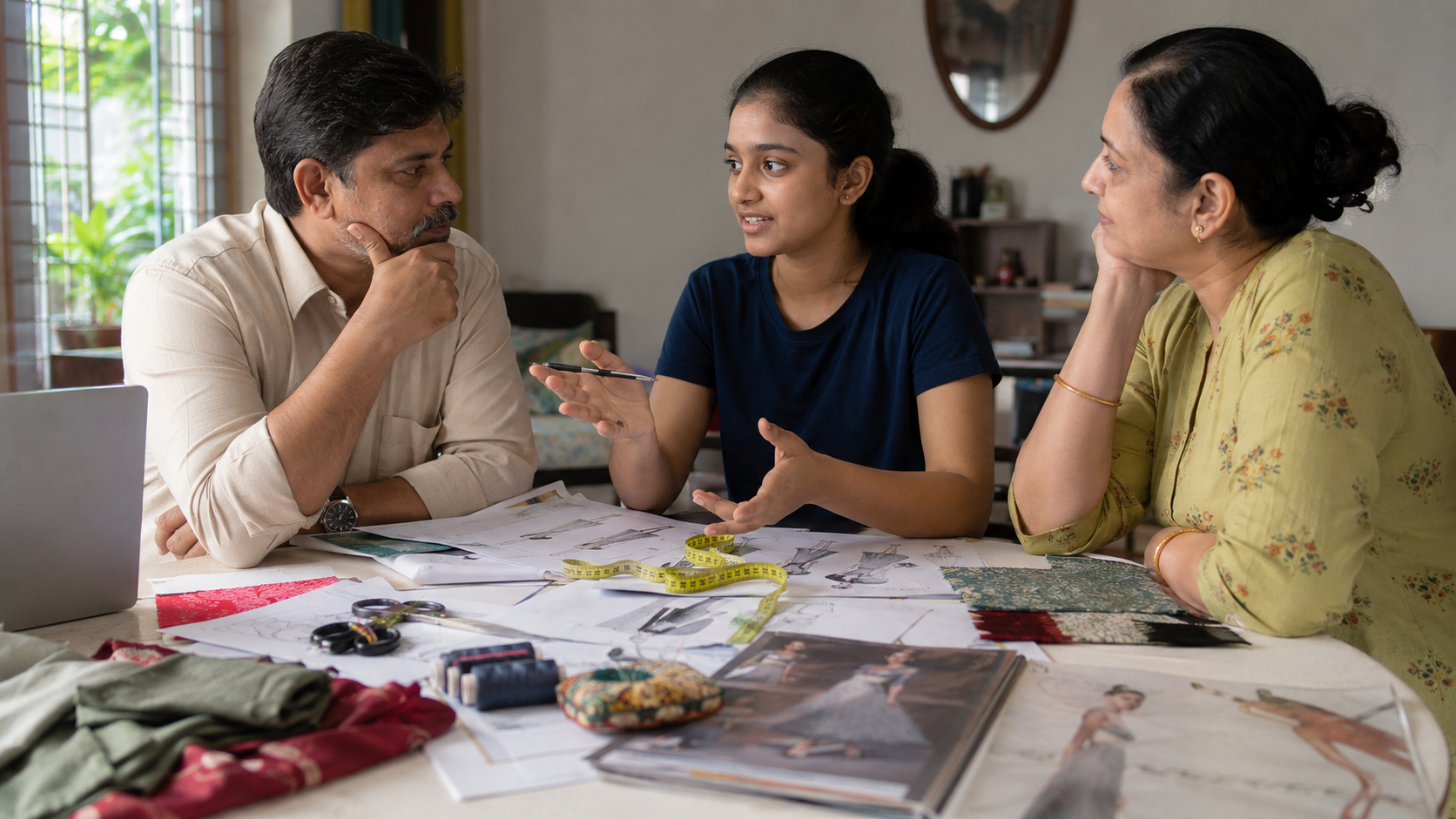
When Your Child Says, “I Want to Become a Fashion Designer”
For many parents, this brings pride, curiosity, and a long list of practical questions: Will it provide a stable career? Can my child earn a good income? Is there enough demand for fashion designers today?
These concerns are valid. The good news is that fashion designing in 2026 looks very different from what many parents imagine. It’s no longer limited to glamorous runway shows – it’s a global industry blending creativity with technology, business, sustainability, manufacturing, digital commerce, and branding. Behind every collection or e-commerce platform is a team working across design, product development, sourcing, merchandising, marketing, and quality assurance.
As a parent, your role isn’t to decide your child’s future – it’s to help them make an informed decision based on facts rather than outdated perceptions.
Why Many Parents Still Have Doubts
Careers like engineering, medicine, and law have long been seen as the “safe” choices because their paths feel structured. Creative careers, by contrast, are often viewed as unpredictable – popular media highlights celebrity designers and luxury fashion weeks, but that represents only a small part of a much larger industry.
Every apparel brand relies on designers, textile specialists, product developers, merchandisers, buyers, quality controllers, sourcing experts, stylists, and digital content creators. This is one of the biggest misconceptions parents hold: a child doesn’t need to become a famous designer to succeed – the industry offers many specialized paths.
From what educators and recruiters consistently observe, successful fashion careers are rarely built on creativity alone. Students who combine creative thinking with technical skills, internships, communication, and a strong portfolio generally enjoy better opportunities than those relying on classroom learning alone – much like architecture, media, or product design.
Fashion Designing Is About Much More Than Sketching
Ask someone outside the industry what a fashion designer does, and the answer is usually “they design clothes.” In reality, designers solve problems: What do consumers actually need? Which fabrics suit different climates? How can waste be reduced during manufacturing? Answering these requires creativity, technical expertise, research, and commercial awareness.
A typical fashion design curriculum includes fashion illustration, pattern making, garment construction, textile science, draping, fashion forecasting, CAD, merchandising, retail management, marketing, and sustainable design practices. Many institutions now also introduce digital illustration, 3D garment visualization, AI-assisted design workflows, and virtual sampling – preparing graduates not just for traditional design roles but for fashion technology, digital product development, and e-commerce careers.
Understanding the Industry in 2026
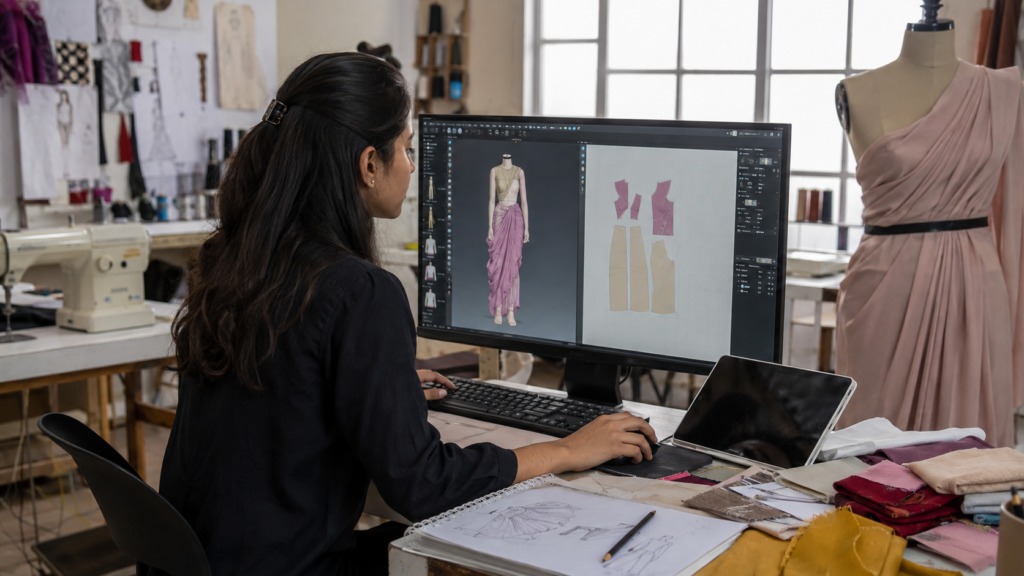
Today’s consumers expect sustainability, ethical manufacturing, personalization, and digital shopping experiences alongside stylish clothing. Industry reports from organizations such as the India Brand Equity Foundation (IBEF) and global fashion research consistently highlight the continued growth of India’s textile, apparel, and fashion ecosystem, with expanding opportunities in digital retail, fashion technology, luxury branding, and online commerce.
This doesn’t mean every graduate immediately secures a high-paying role – growth still depends on education, practical exposure, portfolio quality, and communication skills. But the diversity of opportunities available today didn’t exist a generation ago.
Watch: how big the fashion industry really is.
Career Opportunities: More Than One Job Title
The fashion industry functions like technology or healthcare – many specialized roles work together to bring a product from concept to customer. A student who starts as an assistant designer may later move into merchandising, retail strategy, marketing, or entrepreneurship.
- Fashion Designer – researches trends, develops concepts, selects fabrics, and works with production teams, balancing originality with costing and market demand.
- Textile Designer – creates the prints, patterns, and fabric innovations that give garments character; growing in importance as sustainable materials gain traction.
- Fashion Merchandiser – decides what should be sold, when, and how much, working closely with designers, buyers, and retailers.
- Fashion Stylist – creates visual stories for campaigns, editorials, films, and e-commerce shoots; demand has grown alongside social media and digital content.
- Fashion Buyer – studies trends, evaluates collections, and negotiates with suppliers, directly influencing inventory and profitability.
- Product Developer – coordinates between designers, manufacturers, and quality teams to ensure garments are commercially viable and production-ready.
Emerging careers now include sustainable fashion, fashion technology, digital product development, e-commerce, luxury brand management, content creation, AI-assisted design, digital marketing, entrepreneurship, and 3D/virtual visualization – reflecting how technology and changing consumer expectations continue to reshape the field.
Is Fashion Designing a Stable Career?
Fashion designing can absolutely provide long-term stability, but – as in most modern professions – success depends on continuous learning rather than a degree alone. Recruiters consistently value candidates who can demonstrate what they’ve created or solved through internships, projects, and portfolios. Stability generally increases as professionals specialize in areas like product development, merchandising, sourcing, or digital commerce, and many expand their careers further through consulting, freelancing, teaching, or launching their own ventures.
Salary Expectations: What Parents Should Realistically Expect
Earnings depend on education, technical skills, portfolio quality, internship experience, location, employer, specialization, and years of experience. Most fresh graduates start in junior roles – Assistant Designer, Junior Merchandiser, Production Coordinator, Textile Designer, CAD Designer – focused on learning industry processes.
A broad salary progression in India may look like this:
| Experience | Approximate Annual Salary |
| Entry Level (0 – 2 years) | ₹2.5 – 5 LPA |
| Early Career (3 – 5 years) | ₹5 – 10 LPA |
| Mid-Career (6 – 10 years) | ₹10 – 18 LPA |
| Senior Professionals & Specialists | ₹18 LPA and above |
These figures are indicative and vary by city, employer, specialization, and individual capability.
Many experienced professionals also supplement income through freelance projects, styling assignments, consulting, and entrepreneurial ventures – income for those launching their own brand may fluctuate initially but grow significantly as the business expands.
Skills That Matter More Than Talent Alone
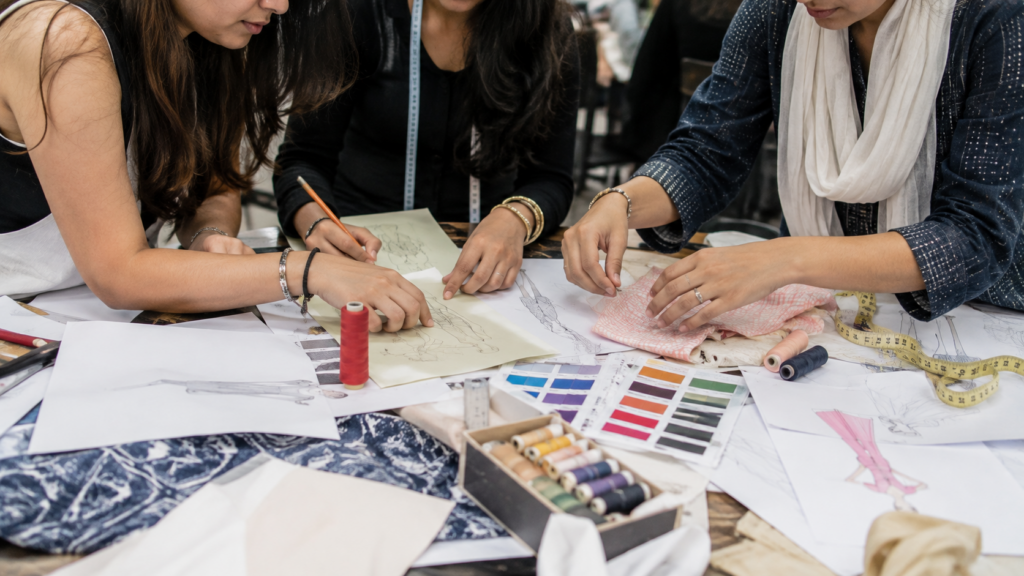
Recruiters and industry mentors consistently emphasize that technical ability and professional attitude matter as much as artistic talent:
- Creativity and design thinking – most valuable when it results in products people actually want.
- Technical knowledge – pattern making, construction, textiles, draping, and production processes.
- Digital skills – CAD, digital illustration, 3D visualization, and virtual sampling increasingly give students an edge.
- Communication – essential for collaborating with manufacturers, buyers, marketers, and clients.
- Commercial awareness – balancing creativity with market demand, costs, and brand identity.
- Adaptability – fashion changes constantly, and lifelong learners tend to grow the most.
What Parents Can Do
Parents can encourage their child to explore different areas of the industry before specializing, visit design exhibitions and industry events, build creative portfolios early, learn digital tools alongside traditional techniques, gain experience through internships and competitions, and stay informed about industry trends rather than relying on outdated assumptions.
Educational Pathways Into Fashion
There’s no single “correct” route into fashion – some students start with a diploma or certificate course after Class 10, focused on practical learning (illustration, basic pattern making, sewing, textile fundamentals). Others pursue options after Class 12 such as a Bachelor of Design (B.Des), Bachelor of Fashion Design, or specialized courses in styling, textile design, or fashion business management.
Diploma or degree? There’s no universal answer – diplomas suit students who prefer hands-on, practical learning and want to enter the industry earlier; degrees offer broader academic exposure alongside creative education. The more useful question isn’t “which qualification is better” but “which programme will build the strongest skills and industry readiness,” since employers increasingly care more about demonstrated work than the qualification’s title.
What Students Actually Learn
Fashion education combines creativity with technical training, problem-solving, and project-based learning – covering illustration, pattern drafting, construction, draping, textile science, CAD, forecasting, merchandising, marketing, product development, sustainable design, and portfolio development. As students progress, assignments become increasingly industry-oriented: researching consumers, developing full collections, estimating production costs, and presenting concepts professionally.
Why Internships and Institute Choice Matter
Internships give students real workplace exposure before full-time employment – learning how design teams collaborate, how production schedules work, and often discovering that they’re more drawn to merchandising, styling, or product development than design itself. They shouldn’t be viewed as optional; they’re an essential part of professional development.
When choosing an institute, look beyond rankings and brochures. Useful questions include: Is the curriculum regularly updated? How much time is spent in design studios? Is portfolio development emphasized? Are internships integrated? What software and industry exposure do students get? Visiting campuses, speaking with faculty, and reviewing student portfolios often reveals more than marketing material. For a concrete syllabus to compare, review SEFT’s six-month fashion design certificate course.
The Future of Fashion Careers
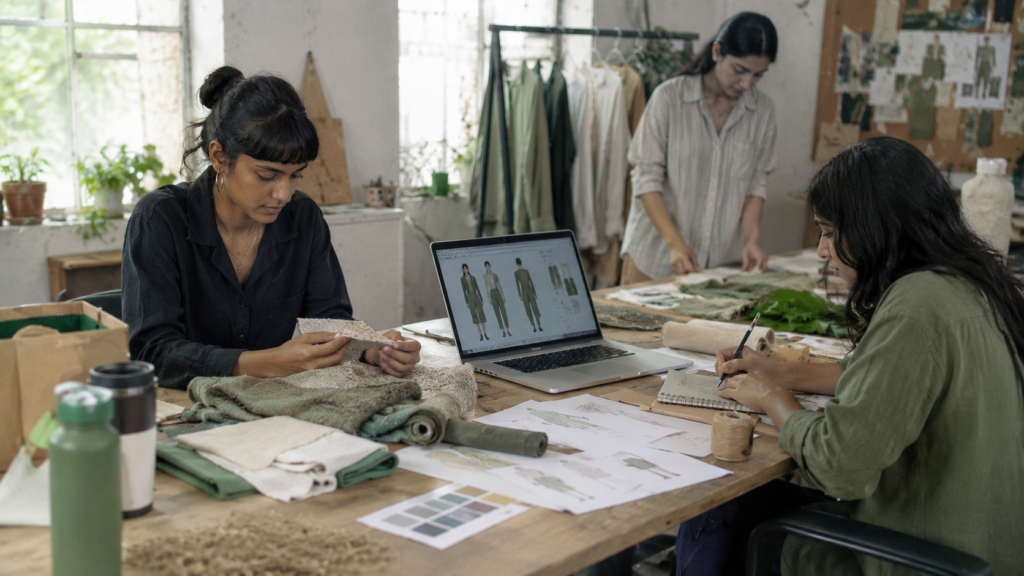
Technology, sustainability, digital commerce, AI, and globalization are reshaping the entire product lifecycle – from design and sourcing to manufacturing and retail. According to IBEF and global fashion research, India’s textile and apparel sector continues to play a major role in manufacturing, exports, and employment, while digital platforms have expanded opportunities well beyond traditional fashion houses.
AI can help designers analyze trends, generate ideas, and optimize production planning – but creativity, storytelling, and understanding human preferences remain skills technology can’t replace. Sustainability, too, is becoming mainstream rather than a niche specialization, as brands invest in responsible materials, ethical sourcing, and transparent supply chains in response to both consumer expectations and regulation.
What recruiters look for goes beyond academic marks: portfolio quality, technical skills, communication, problem-solving, internship experience, teamwork, and adaptability all factor into hiring decisions.
Frequently Asked Questions
Is fashion designing only for students good at drawing? Not necessarily. Fashion education builds visual communication skills over time, and many professionals rely on digital design software alongside traditional sketching.
Can students succeed without starting their own label? Absolutely. Many build rewarding careers with apparel brands, retailers, export houses, fashion tech companies, and e-commerce businesses – entrepreneurship is just one path among many.
Is fashion designing a risky career? Like any profession, growth depends on skill development and continuous learning. Preparation, not luck, drives outcomes.
What qualities help students succeed? Beyond creativity: curiosity, discipline, time management, communication, attention to detail, adaptability, and a willingness to accept feedback.
Helping Your Child Make the Right Decision
Parents play an important role by encouraging open conversations, asking thoughtful questions, and helping students weigh both the opportunities and responsibilities of their chosen profession. Consider your child’s strengths, interests, and long-term aspirations rather than focusing only on job titles or salary figures.
Final Thoughts
Fashion designing has evolved into one of the world’s most dynamic creative industries, bringing together design, technology, business, sustainability, and digital innovation. There’s no guaranteed path to success – just as in engineering, business, or medicine – but students who remain curious, build strong technical foundations, gain practical experience, and keep learning throughout their careers are the ones most likely to build meaningful professional journeys.
For parents, the most valuable contribution isn’t choosing the career on their child’s behalf – it’s helping them understand the realities of the profession and supporting them as they build the confidence and skills to succeed.