
You manage a home, balance schedules, handle budgets, and still find time to notice when someone’s outfit looks completely off. That eye for detail? That’s not just a habit – that’s a skill.
Thousands of housewives across India are turning their love for clothes, stitching, and styling into real businesses from home. Some started by stitching blouses for neighbours. Others began by selling curated outfits on Instagram. A few now run their own labels with customers across the country.
The gap between where you are today and where they are is not talent. It’s a bit of training, a bit of direction, and the decision to start.
If you’ve ever thought, “I wish I could do something of my own” – main keep reading. This is for you.
Why Fashion Designing Makes Sense for Housewives in India
Fashion is one of those rare fields where passion and practicality can meet – especially for someone working from home.
Here’s why it works so well:
- India’s fashion industry is massive. The Indian textile and apparel market is worth over ₹7 lakh crore and continues to grow every year. There is room for designers at every level – from home studios to full-scale brands.
- You can start small and scale slowly. You don’t need a studio or a shop. A corner of your home, a sewing machine, and a phone camera are enough to begin.
- Flexible hours fit around family life. Unlike a 9-to-5 job, fashion work – designing, stitching, styling, sourcing – can be done in the pockets of time that suit your day.
- The entry cost is low compared to most businesses. You can start a home-based fashion label for as little as ₹15,000–₹30,000 if you plan smartly.
- Digital platforms have removed the middleman. Instagram, WhatsApp, and platforms like Meesho let you sell directly to customers without needing a physical store.
Types of Fashion Courses You Can Take in India
Not every course needs to be a full-time, two-year commitment. There are options that genuinely fit around your life.
Online Fashion Designing Courses
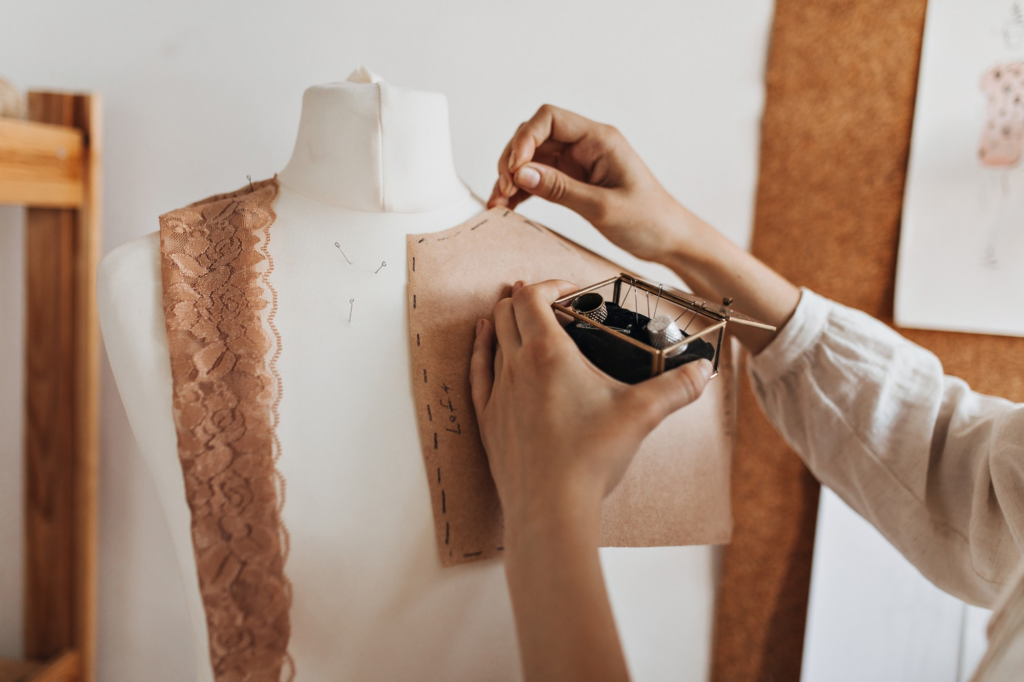
Online fashion designing courses in India have improved tremendously in quality and variety. You can now access structured, beginner-friendly programs from home – at your own pace, on your own schedule.
Approximate fees: ₹5,000 – ₹30,000 (depending on course depth and duration)
The biggest advantage? You can study at 10 PM after the kitchen is clean – no commute, no fixed classroom timing, no guilt.
Short-Term Certification Courses
These are typically 1–3 months long and focused on specific skills – like blouse designing, kurta making, draping, or fashion merchandising.
They’re ideal if you want to quickly build one solid skill, earn a credible certificate, or start earning sooner while continuing to grow.
Approximate fees: ₹3,000 – ₹15,000
Many women use short certifications as stepping stones. They complete one, start earning with that skill, and then invest that income back into a longer program.
Diploma Courses in Fashion Designing
Diploma programs are more comprehensive, usually spanning 6 months to 1 year. They cover everything from sketching to business basics – making them perfect if your goal is to build a full fashion label.
Approximate fees: ₹20,000 – ₹80,000 (depending on mode and duration)
What Housewives Learn in These Courses
You’ll learn:
- Elements of design and colour theory
- Fabric knowledge (types, textures, care, quality, and sustainable options)
- Pattern making, garment construction, and draping
- Fashion illustration – both hand sketching and digital tools
- Trend forecasting tailored to the Indian market
- Advanced pattern drafting, grading, and CAD software
- Garment production, quality control, and costing
- Fashion marketing, branding, and e-commerce basics
- Portfolio development so you can showcase your work professionally
The modules include real assignments you can complete in short daily sessions, live doubt-clearing sessions, and ready-to-use templates for business plans and client briefs.
Success Stories of Housewives Turned Entrepreneurs
These women started exactly where you are – managing homes, juggling responsibilities, and wondering if they could do more.
Hetal Desai – The Indian Ethnic Co.
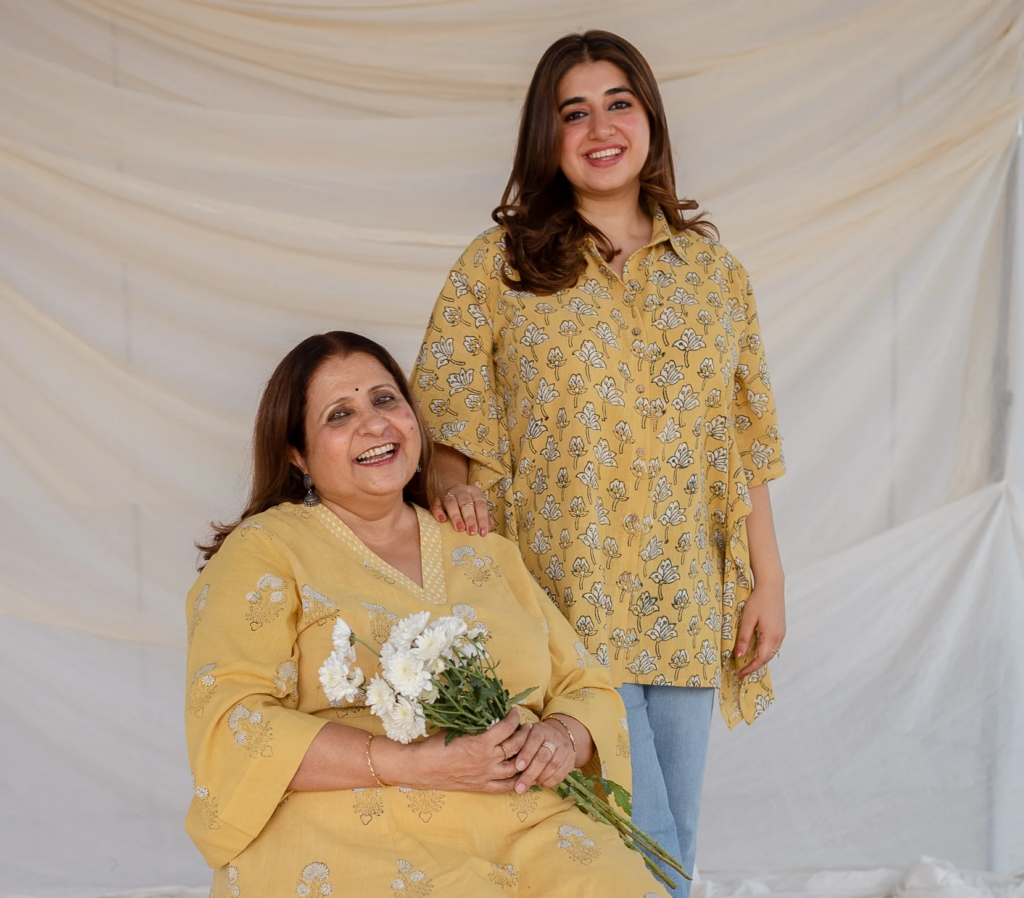
A housewife and mother, Hetal began stitching clothes for her daughters because she couldn’t find the right fit and style in stores. What started as a small home experiment in 2016 grew into The Indian Ethnic Co. – a thriving D2C brand loved for its sustainable, handcrafted ethnic wear. Today the family business ships across India.
Kusum Agarwal – From Homemaker to Boutique Owner
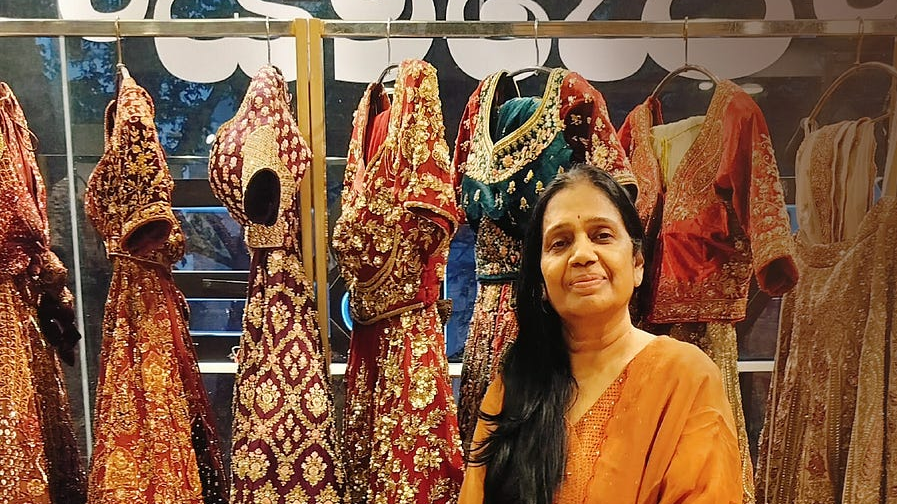
After a personal setback, Kusum, a homemaker in her 60s, opened a small ethnic Indian wear boutique on the top floor of her home. With no prior business experience, she learned sourcing, marketing, and customer handling on the go. Four-and-a-half years later, her boutique is profitable and she has found a new identity – confident and independent.
These stories show that the only real requirements are passion, the right guidance, and the courage to begin.
Roadmap: Launching Your Label Post-Course
Completing a course like SEFT’s diploma gives you the skills and confidence. Here’s the practical roadmap that follows:
- Build Your Signature Collection – Create 8–12 pieces in your chosen niche using course projects. Photograph them professionally (even with your phone + natural light).
- Define Your Brand – Choose a name, logo (Canva works), and 2–3 signature colours. Write a short “about” story that connects with your audience.
- Test the Market – Make 5–10 made-to-order samples. Offer them to friends, family, and local WhatsApp groups at an introductory price.
- Set Up Operations – Register as a sole proprietor, get GST if needed, tie up with 2–3 reliable local tailors, and organise fabric sourcing.
- Launch Digitally – Create an Instagram business account, set up WhatsApp catalogue, and list on Meesho or your own simple website.
- Apply for Funding – Use Mudra Yojana or Stand-Up India schemes for women entrepreneurs.
- Scale Smartly – Once you have 20–30 consistent orders, expand your collection, hire a part-time helper, or explore pop-ups.
Most women go from course completion to soft launch in 3–6 months.
Tips to Grow Your Fashion Business
- Post consistently on Instagram (Reels of stitching process + customer stories perform best).
- Build an email/WhatsApp list from day one – repeat customers are your real growth engine.
- Collaborate with local influencers or other home-based makers for cross-promotion.
- Track every rupee – use free apps like Vyapar or Excel.
- Listen to customers – one small change in sleeve length or fabric can double your orders.
- Reinvest early profits into better photography, packaging, or a second sewing machine.
- Never stop learning – short add-on modules keep you ahead of trends.
Skills You’ll Need – And Probably Already Have Some Of
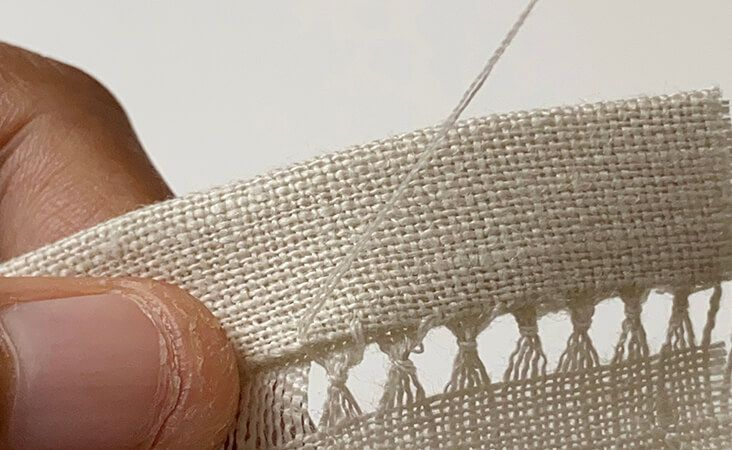
You don’t need to be a professional artist or trained tailor before you begin. Most of these skills you already use in daily life:
- A creative eye – noticing when colours clash or mentally restyling outfits
- Basic stitching knowledge – helps you communicate with tailors and spot quality issues
- Trend awareness – knowing what’s in demand in your city or community
- Communication skills – clear, warm conversations with clients and vendors
- Basic phone and social media use – Instagram, WhatsApp, and simple photo editing
- Patience and consistency – the women who succeed are the ones who don’t quit at month two
Investment Needed to Start Small
Here’s a realistic breakdown for a home-based fashion label:
| Item | Approximate Cost (₹) |
| Sewing machine (domestic) | 6,000 – 12,000 |
| Initial fabric stock | 5,000 – 10,000 |
| Scissors, tools, notions | 2,000 – 3,000 |
| Packaging (bags, tags, labels) | 1,500 – 3,000 |
| Basic photography setup | 1,000 – 2,000 |
| Course or training | 5,000 – 25,000 |
| Total to start | 20,000 – 55,000 |
Many women start even smaller – with fabric they already own and a neighborhood tailor.
What Can You Actually Earn?
Let’s be honest – this takes time to build. But the numbers are very real:
- Early stage: Selling 15–20 kurtis a month at ₹500–₹800 profit each → ₹7,500–₹16,000/month
- Once reputation builds: Bridal and occasion wear orders (₹5,000–₹30,000+ each) can change everything
- Within 2–3 years: Many home-label founders consistently earn ₹40,000–₹1,00,000/month
- Extra income: Fashion content, styling consultations, and teaching
It’s not overnight. But it’s yours – and it grows with you.
Challenges You May Face (And How to Handle Them)
- Family may not take it seriously at first → Show results. A first sale or happy customer message speaks louder than explanations.
- Time management feels impossible → Protect even 2–3 focused hours daily. Consistency beats long sporadic sessions.
- Fear of putting your work out there → Start by sharing with trusted contacts. Feedback builds confidence fast.
- Sourcing fabric feels overwhelming → Begin with local wholesale markets. Relationships grow over time.
- Pricing yourself fairly feels uncomfortable → Remember: your time and skill have real value.
How to Get Your First Customers

Your existing network is your first market. Tell neighbours, relatives, and friends. Offer a small introductory discount for the first few orders.
- Instagram is your free shop window – post consistently and reply to every comment.
- WhatsApp groups (housing societies, mothers’ groups) are powerful.
- Collaborate with small local boutiques on consignment.
- Let satisfied customers do your marketing – one perfect-fitting blouse brings three more referrals.
Your Label, Your Rules – Start Now
There will always be a reason to wait. The kids are too young. The house is too busy. You don’t know enough yet.
But the women who built their own labels started before they felt completely ready. They learned as they went, made mistakes, improved, and kept going.
India’s fashion industry needs designers in every city and every neighborhood – women who understand what real Indian women want to wear.
That could be you.
Take a look at SEFT’s fashion designing courses – structured, practical, and designed for learners who want training that leads somewhere real. Find the one that fits your schedule, your budget, and where you want to go.
Your first step is the only one you need to take today.