


In an era where the metaverse blurs the lines between reality and the digital realm, fashion is undergoing a revolutionary transformation. Imagine owning a one-of-a-kind gown that exists only in pixels, yet turns heads on social media or in virtual worlds. This isn’t science fiction – it’s digital couture. As sustainability concerns mount and technology advances, virtual fashion is emerging as a game-changer for designers, brands, and consumers alike. In this guide, we’ll explore what digital couture really is, its origins, how it’s created, and practical steps you can take to dive in yourself. Whether you’re a fashion enthusiast, aspiring designer, or business owner looking to innovate, this article will equip you with actionable insights to navigate this exciting frontier.
Understanding Digital Couture: A Modern Twist on High Fashion
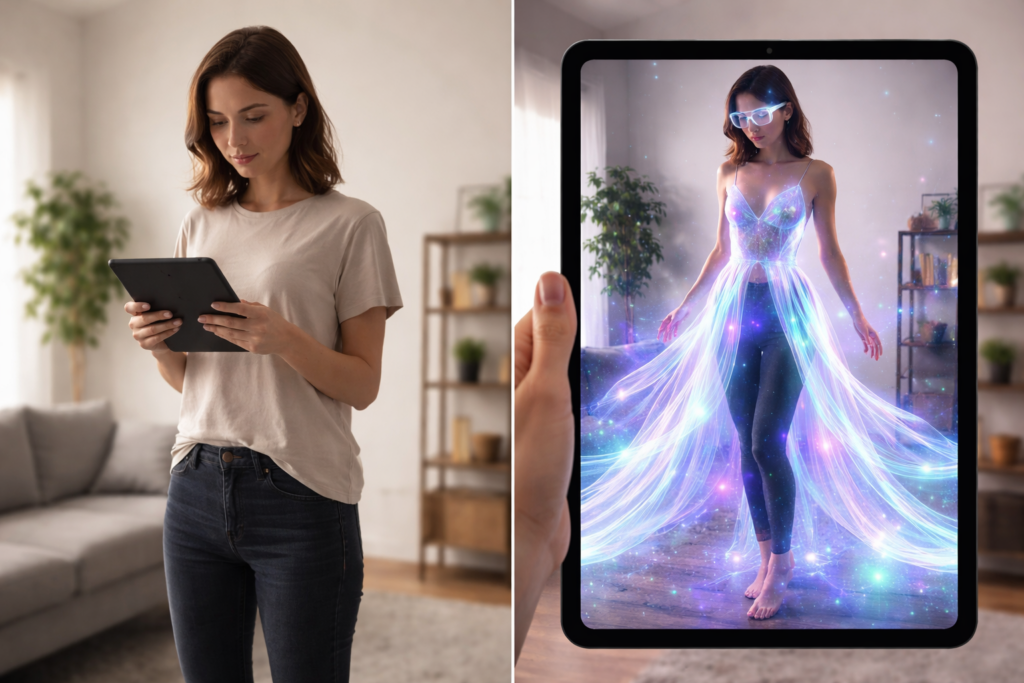
Digital couture refers to the creation of high-end, custom virtual garments using advanced technologies like 3D modeling software and artificial intelligence. Unlike traditional couture, which involves physical fabrics, intricate hand-stitching, and real-world fittings, digital couture produces hyper-realistic clothing simulations that exist solely in digital spaces. These can be “worn” on avatars in virtual reality (VR), augmented reality (AR), online games, or even superimposed onto photos for social media.
At its core, digital couture bridges the gap between technology and artistry. It allows designers to experiment without the constraints of gravity, material limitations, or production costs. Think of it as haute couture for the digital age – exclusive, innovative, and often tied to non-fungible tokens (NFTs) for ownership verification. While some pieces are purely virtual, others serve as prototypes for physical items, blending the two worlds seamlessly. This isn’t just about novelty; it’s a response to the fashion industry’s environmental footprint, where virtual designs reduce waste from sampling and overproduction.
Key distinctions from related terms:
- Digital Fashion: A broader category encompassing all virtual clothing, from casual game skins to couture-level pieces.
- Virtual Clothing: Often ready-to-wear digital items for everyday use in apps or social platforms.
- Tech-Enhanced Couture: Physical garments incorporating tech, like 3D-printed elements, as seen in Iris van Herpen’s collections.
The Evolution of Digital Couture: From Concept to Cultural Phenomenon
Digital couture’s roots trace back to the early 2000s with virtual worlds like Second Life, where users customized avatars with digital outfits. However, it gained momentum in 2018 when brands like Carlings launched limited-edition virtual collections, and The Fabricant sold a digital dress for $9,500 at auction. The COVID-19 pandemic accelerated its rise, as lockdowns forced fashion weeks to go virtual. Events like Milan Digital Fashion Week in 2020 showcased digital runways, and brands adapted by creating NFT-linked garments.
By 2021, major players entered the scene: Nike partnered with Fortnite for virtual sneakers, and Louis Vuitton designed skins for League of Legends. Today, in 2026, digital couture is intertwined with AI and the metaverse, with valuations soaring through blockchain tech. It’s not just a trend – it’s a multibillion-dollar market projected to grow as AR glasses and VR headsets become mainstream.
How Digital Couture Is Created: The Tech Behind the Magic
Creating digital couture mirrors traditional design but swaps sewing machines for software. Here’s a breakdown of the process:
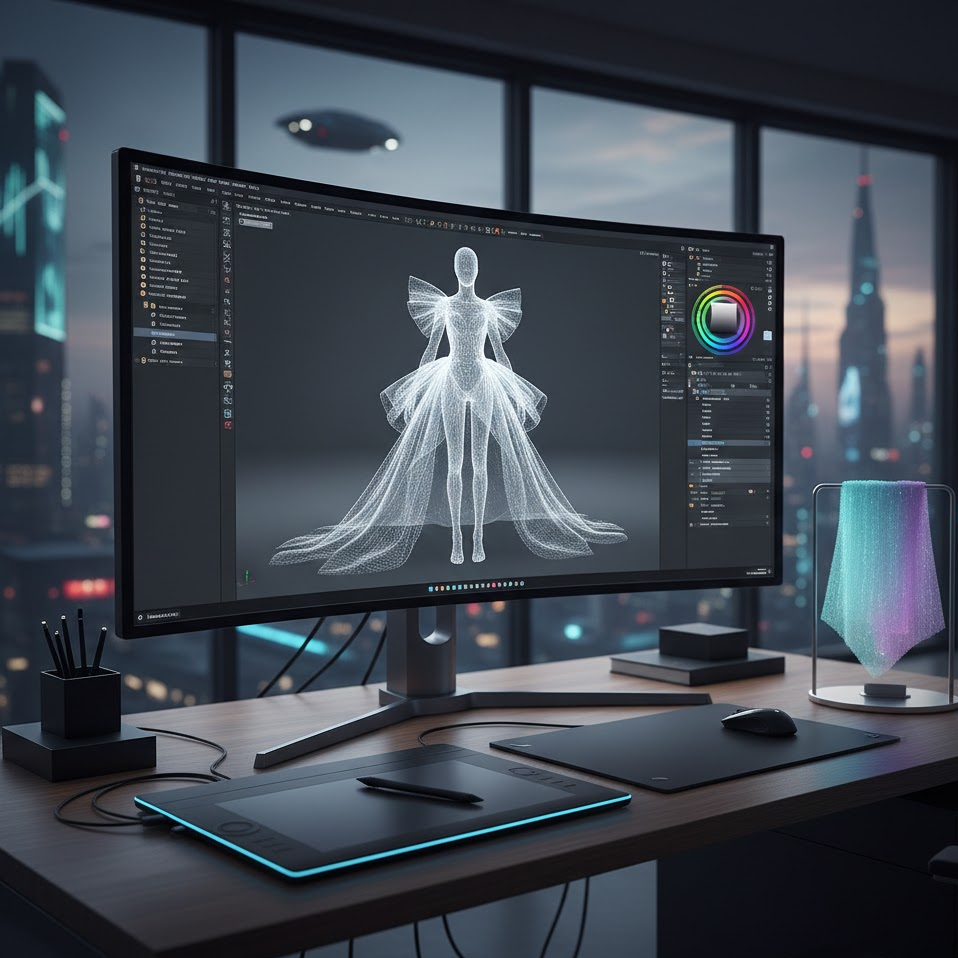
- Ideation and Sketching: Start with mood boards and 2D sketches using tools like Adobe Illustrator or Procreate.
- 3D Modeling: Import patterns into software like CLO3D, Marvelous Designer, or Blender to simulate fabrics, drapes, and fits on virtual avatars.
- Texturing and Detailing: Add realistic materials using digital fabric libraries or AI tools like Substance Painter for textures, colors, and effects.
- Simulation and Animation: Test how the garment moves in virtual environments, incorporating physics for realism.
- Rendering and Export: Finalize with lighting in programs like Cinema 4D, then export as AR filters, NFTs, or prototypes for 3D printing.
Key technologies include:
- AI and Generative Design: Tools from The Fabricant allow sketch-to-image conversions, speeding up prototyping by 50-70%.
- AR/VR Integration: Platforms like Zepeto enable virtual try-ons.
- Blockchain and NFTs: Ensure exclusivity and ownership, much like a certificate for fine art.
This digital workflow cuts physical waste, with techniques like digital textile printing reducing water use by 95%.
The Benefits of Embracing Digital Couture
Digital couture isn’t just innovative – it’s practical and planet-friendly. Here’s why it’s gaining traction:

- Sustainability: No fabric scraps or unsold inventory means less pollution. The fashion industry accounts for 8-10% of global emissions; virtual designs slash this by eliminating production trials.
- Unlimited Creativity: Designers can defy physics – think floating fabrics or shape-shifting outfits – fostering inclusivity for all body types.
- Accessibility and Affordability: High fashion becomes democratic; a digital piece might cost $10-500, versus thousands for physical couture.
- New Revenue Streams: Brands sell virtual items in games or as NFTs, boosting engagement. For consumers, it’s a way to express identity in digital spaces without overconsumption.
- Efficiency for Businesses: Reduce sampling costs by 90% and explore more designs faster.
Inspiring Examples of Digital Couture in Action
- The Fabricant: Pioneers in digital-only fashion, they focus on AI tools for pros. Their early “Iridescence” dress set records, emphasizing virtual exclusivity.
- DressX: A marketplace for AR-ready clothes. Users upload photos, and designers digitally “fit” garments, starting at affordable prices for social media posts.
- Auroboros: Debuted the first all-virtual collection at London Fashion Week 2021, blending biomimicry with tech.
- Iris van Herpen: Merges digital with physical, using 3D printing for ethereal gowns worn by celebrities.
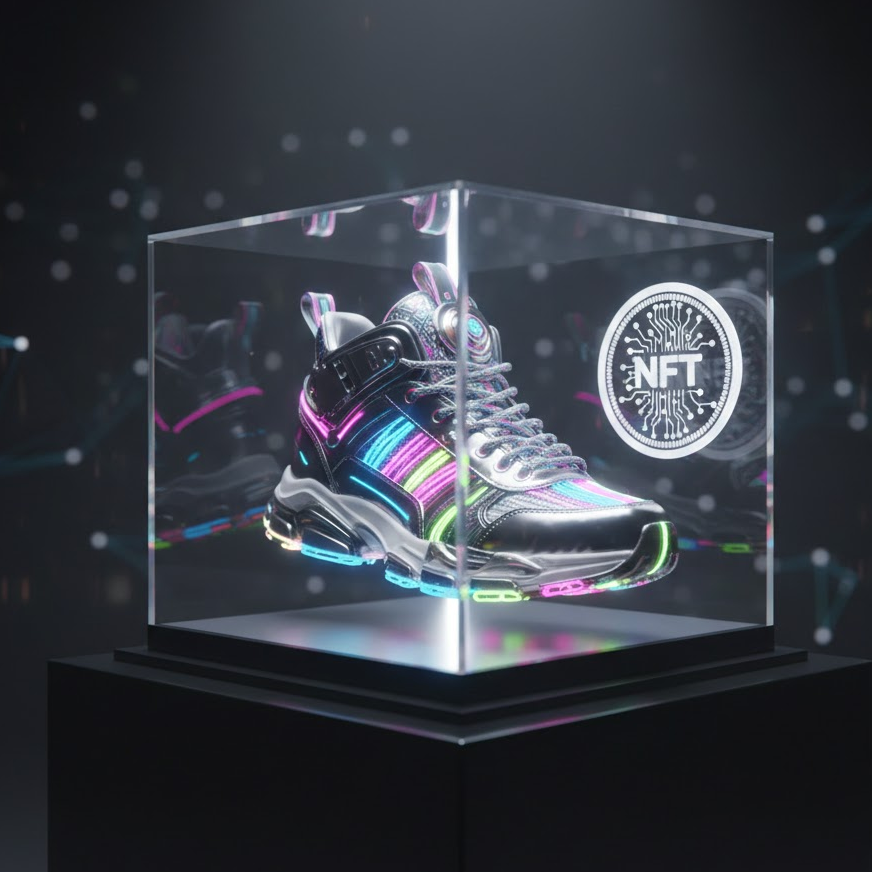
- RTFKT (acquired by Nike): Specializes in sneaker NFTs, bridging gaming and streetwear.
These brands show how digital couture enhances storytelling, from virtual catwalks to influencer collaborations.
Practical Advice: How to Get Started with Digital Couture
Ready to create your own? Here’s a step-by-step guide for beginners:
- Learn the Basics: Start with free tutorials on YouTube for Blender (open-source) or Marvelous Designer. Aim for 10-20 hours to grasp 3D modeling.
- Choose Tools: Beginners – Digital Fashion Pro ($299, includes templates and business guides). Pros – CLO3D ($50/month trial) or Browzwear VStitcher for advanced simulations. For AI boosts, try The Fabricant’s free plan.
- Build Your First Piece: Import a DXF pattern, select an avatar, assign fabrics, and simulate. Use 3D scanners for custom fits if advancing.
- Monetize: Sell on platforms like DressX or mint as NFTs on OpenSea. Market via Instagram AR filters or TikTok.
- Tips for Success: Join communities like Reddit’s r/DigitalFashion. Focus on sustainability in your designs to attract eco-conscious buyers. Budget: Start free, scale to $100-500 for software.
If buying, platforms like DressX offer easy uploads – snap a photo, choose a garment, and get a edited image back in hours.
Challenges and Criticisms of Digital Couture
Despite its promise, digital couture faces hurdles. Virtual fittings can be inaccurate, leading to sizing mismatches if transitioning to physical production. Purists argue it diminishes the tactile joy of fashion, viewing it as less “authentic.” Accessibility issues persist – high-end tools require powerful computers, and NFTs raise environmental concerns due to blockchain energy use. Additionally, intellectual property theft in digital spaces is rampant, necessitating strong watermarking.
The Future of Digital Couture: What’s Next?

Looking ahead, AI will dominate, with generative tools creating personalized designs in seconds. Expect deeper metaverse integration, where your wardrobe syncs across platforms. Sustainability will drive adoption, with brands like Gucci expanding virtual lines. By 2030, digital couture could represent 20% of fashion revenue, fueled by AR shopping and virtual influencers. Challenges like regulation around NFTs will evolve, but the potential for inclusive, waste-free fashion is immense.
Wrapping Up: Why Digital Couture Matters Now
Digital couture is more than a fad – it’s a sustainable, creative evolution of fashion that empowers everyone from indie designers to global brands. By reducing environmental impact and expanding expression, it redefines what it means to “dress up” in a connected world. If you’re inspired, start small with free tools and build from there. The virtual runway awaits – what’s your first design?
FAQs
What software do I need for digital couture?
Begin with free options like Blender or try CLO3D’s demo. For pros, invest in Marvelous Designer for realistic simulations.
Is digital couture profitable?
Yes! Sell NFTs, AR filters, or collaborate with brands. Entry-level pieces fetch $50-200, while exclusives can hit thousands.
How does digital couture help the environment?
It eliminates physical waste, cutting water and energy use dramatically compared to traditional manufacturing.
Can I wear digital couture in real life?
Indirectly – use AR to overlay on photos or print prototypes via 3D tech for physical versions.
What’s the difference between digital couture and NFTs?
Digital couture is the design; NFTs provide ownership proof, making virtual items collectible and tradeable.