
You have probably Googled this at 2 AM, scrolling through Instagram reels of designers showcasing their work – and quietly wondering if you missed your window. Whether you are 19 and just finished 12th, 25 and stuck in a job you do not love, or 30 and finally ready to follow your gut, the question is the same: am I too late to start fashion designing in India?
The short answer is no.
The longer answer – backed by current 2026 admission data, real costs, updated career insights, and practical next steps – is what this guide delivers. Fashion rewards passion, skill, and persistence far more than the year you began. This article gives you the complete picture: age realities, skills required, course fees in India, challenges, success stories, and resources to begin today.
Is There an Age Limit for Fashion Designing?
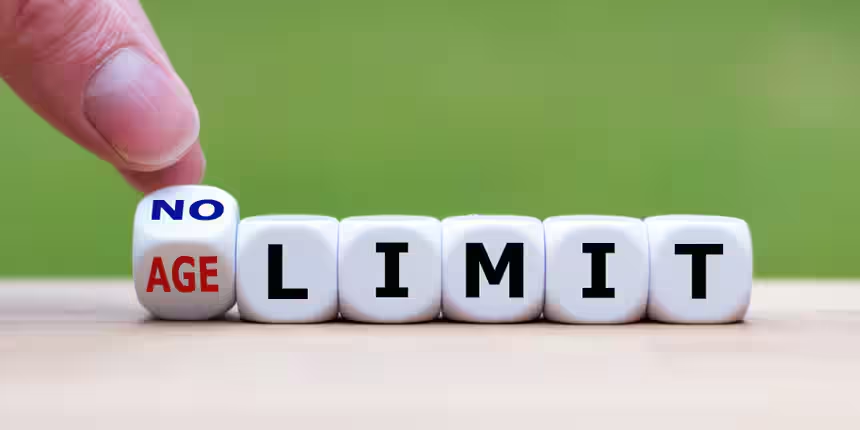
Technically, it depends on the programme and institute – but for most aspiring designers in India, the door remains wide open even after 25.
- NIFT (National Institute of Fashion Technology): For undergraduate B.Des/B.F.Tech programmes (2026 admissions), the maximum age is less than 24 years as on 1 August of the admission year (5-year relaxation for SC/ST/PwD categories). However, postgraduate programmes (M.Des, M.F.Tech, etc.) have no upper age limit.
- Pearl Academy, NID, and most private institutes: No strict upper age limit for undergraduate, postgraduate, or diploma programmes (though they often prefer candidates with strong portfolios and recent academic backgrounds).
Starting later is often an advantage. Real-world experience in retail, marketing, or any customer-facing role gives you sharper market awareness, budgeting sense, and business instincts that 18-year-olds rarely have. Postgraduate diplomas and one-year specialisation courses are designed exactly for career switchers like you.
Real Examples – Why a Late Start Is Not a Disadvantage
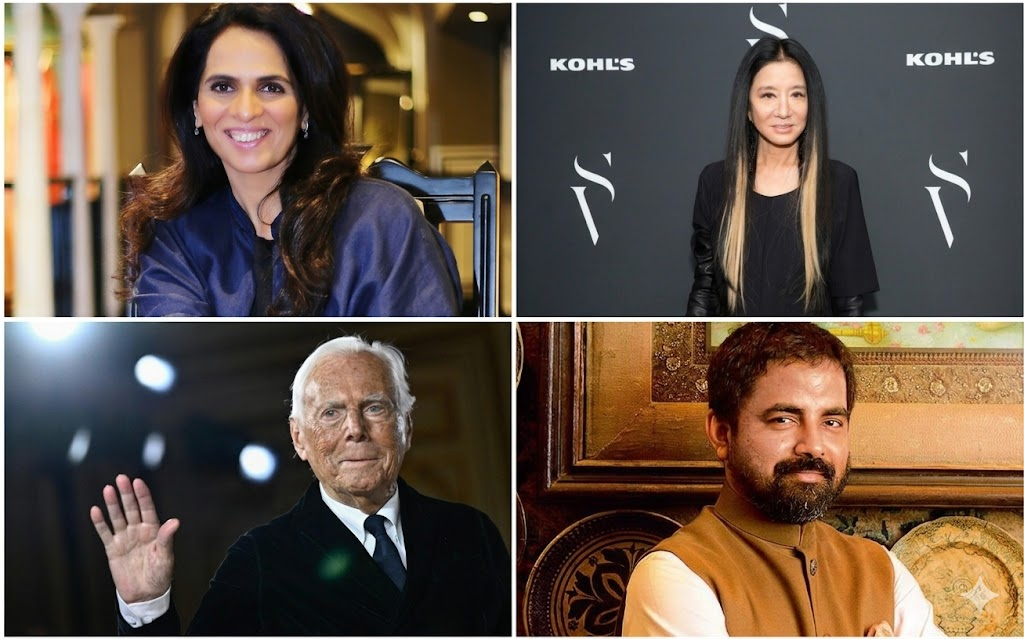
Fashion legends prove age is irrelevant when talent meets timing:
- Vera Wang launched her bridal label at 40 after a career in figure skating and fashion journalism.
- Giorgio Armani opened his first boutique at 41 after working as a window dresser and buyer.
Closer home in India:
- Sabyasachi Mukherjee graduated from NIFT Kolkata in 1999 (at around age 25) and launched his eponymous label shortly after with a small loan. His brand reached approximately ₹500 crore in revenue by 2023–24 through steady growth and celebrity endorsements within a decade.
- Anita Dongre started in 1998 with a small Mumbai setup using just two sewing machines. She scaled House of Anita Dongre into a ~₹350–400 crore empire (FY 2023–24 figures; latest FY25 revenue ~₹368 crore) focused on sustainable and inclusive fashion.
These stories show that late bloomers or non-traditional routes often bring fresher perspectives and stronger business acumen.
Skills You Actually Need to Start Fashion Designing
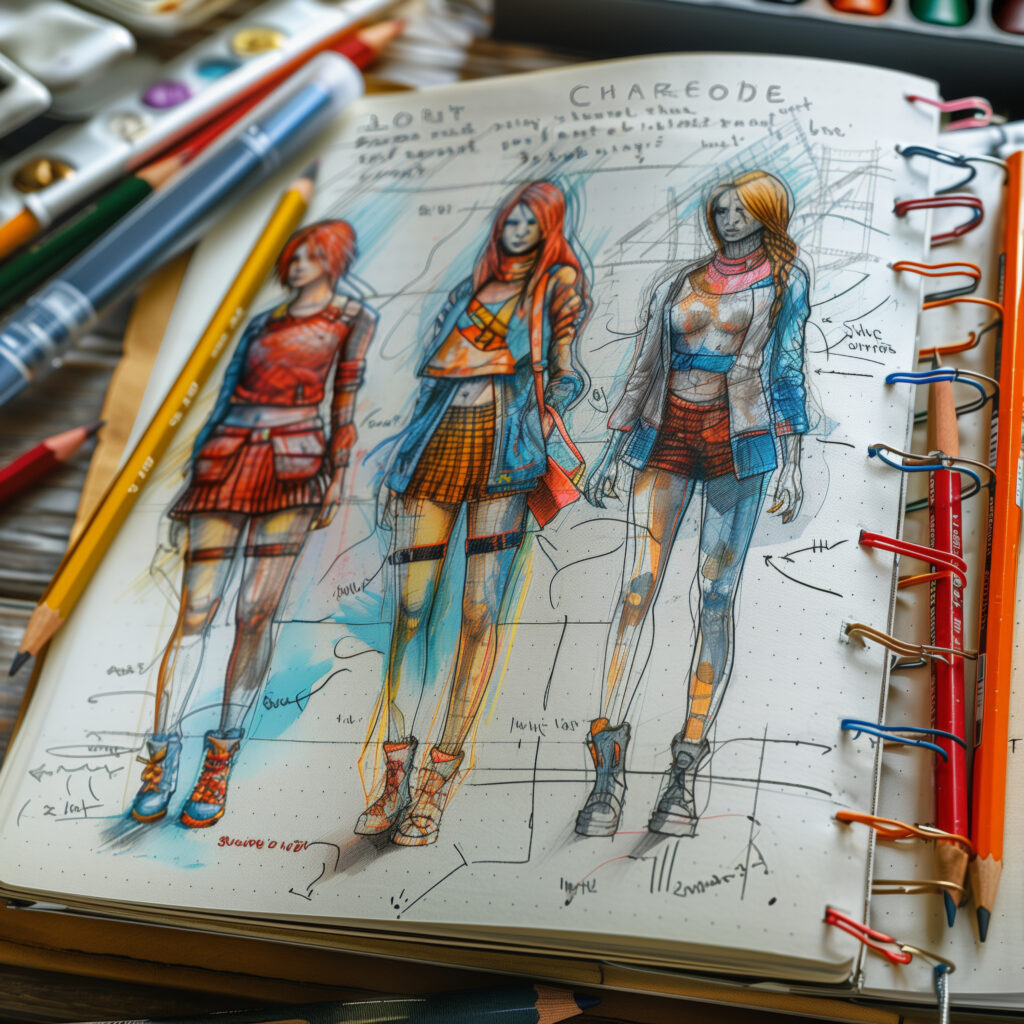
Fashion design is craft + commerce. Here’s what truly matters (and can be learned from scratch):
- Sketching & Illustration – Communicate ideas clearly; courses teach this.
- Fabric Knowledge – Drape, stretch, texture, and behaviour under real conditions.
- Pattern Making & Garment Construction – The technical backbone of turning sketches into wearable clothes.
- Colour Theory & Trend Forecasting – Cultural and seasonal relevance.
- Software Proficiency – Adobe Illustrator, Photoshop, and CLO 3D (industry standard).
- Market Awareness – Understanding who buys what, pricing, and sustainability demands.
Career switchers often excel here because they already understand real consumers and budgets.
How to Start Fashion Designing – Step by Step
- Build a basic portfolio now – Sketch daily, create mood boards on Pinterest, experiment with fabric scraps, or photograph simple drapes.
- Choose the right programme – B.Des (4 years) if you’re under 22 and want depth; 1-year PG diploma or short certificate if you’re 25+ and need speed.
- Shortlist institutes – NIFT (premium yet affordable), Pearl Academy, Symbiosis Institute of Design, NID, Amity, or reputed private colleges based on location and budget.
- Prepare for entrances – NIFT/NID exams test creativity, general awareness, and situation tests. Start 6–12 months early. Private colleges often require portfolio reviews.
- Test the waters – Enrol in affordable online/short courses first.
- Intern relentlessly – Hands-on experience with designers, boutiques, or export houses beats classroom theory.
How Much Does It Cost to Study Fashion Designing in India? (2026 Updated)
Here are realistic 2026 fee ranges (tuition + one-time charges; living costs extra):
| Study Option | Typical Duration | Approx. Total Fees (INR) | Notes |
| Online / Short Certificate | Few weeks–6 months | ₹5,000 – ₹50,000 | – |
| Diploma (Private) | 1 year | ₹50,000 – ₹2,00,000 | Mid-range colleges |
| Diploma (Govt/Polytechnic) | 1 year | ₹30,000 – ₹1,00,000 | Affordable with studio access |
| B.Des (Mid-range Private) | 4 years | ₹6,00,000 – ₹12,00,000 | Good infrastructure |
| B.Des at NIFT | 4 years | ₹5.45 lakh – ₹13.26 lakh | Varies by campus; Delhi ~₹12.95 lakh. Best value; government-backed |
| Premium Private (e.g. Pearl) | 4 years | ₹20,00,000 – ₹28,00,000 | Strong industry network & placements |
| PG Diploma / M.Des | 1–2 years | ₹1,50,000 – ₹6,00,000 | Ideal for career switchers |
Scholarships, education loans, and NIFT rank-based fee waivers can reduce costs significantly.
Career Opportunities and Salary Expectations (2026)
Fashion in India is booming – ethnic wear, sustainable lines, D2C brands, and film/OTT costume work create diverse paths:
- Fashion Designer – Entry-level (freshers): ₹2-5 LPA (₹12k-₹35k/month). Mid-level: ₹8 – 20 LPA. Running your own label offers aspirational unlimited upside.
- Textile/Surface Designer – ₹3 – 7 LPA.
- Costume Designer (Film/OTT) – Variable; established names earn ₹10 LPA+.
- Stylist / Merchandiser / Buyer – Stable corporate roles at ₹4-10 LPA.
- Content Creator / Illustrator – High ceiling via social media and brand collaborations.
Entry pay can feel modest, but strong portfolios + internships accelerate growth fast. Mumbai, Delhi, Bengaluru, and Hyderabad remain hotspots.
Challenges You Might Face (Be Honest With Yourself)
No sugar-coating – these are real hurdles most newcomers encounter:
- Fierce competition – Thousands graduate yearly; standing out requires a unique voice and relentless networking.
- Financial pressure – High course fees + low starting salaries mean early years can be tight (especially if self-funded).
- Steep technical learning curve – Pattern making and software take consistent practice; mistakes are expensive.
- Unpredictable income & hours – Freelance gigs and deadlines often mean irregular pay and late nights during collections.
- Trend dependency & fast changes – What sells today may not tomorrow; sustainability demands add complexity.
- Building credibility – Clients and buyers trust proven work, so internships and a solid portfolio are non-negotiable.
The ones who succeed treat these as fuel, not roadblocks.
Resources and Tools to Begin Today (Free & Low-Cost)
Start building momentum right now:
- Free Learning – YouTube: “Professor Pincushion” (sewing/patterns), “The Fashion Channel”, Indian channels for NIFT prep & illustration. Online Platform: “Fashion Design” specialisations (₹500–2,0000).
- Portfolio Tools – Canva (free mood boards), Adobe Illustrator/Photoshop (student discount), free trial of CLO 3D.
- Sketching Apps – Autodesk SketchBook (free), Procreate (iPad).
- Fabric & Materials – Visit local wholesale markets (Delhi’s Chandni Chowk, Mumbai’s Mangaldas) or order small swatches online affordably.
- Communities – Instagram fashion hashtags (#IndianFashionDesigners, #NIFTaspirants), LinkedIn groups, Behance for portfolio feedback, Reddit r/fashiondesign.
- Official Prep – Download latest NIFT/NID brochures from official websites; join free webinars from Pearl Academy or Symbiosis.
- Books – “Fashion Sketchbook” by Bina Abling; “The Fashion Designer’s Handbook” for practical guidance.
Final Verdict – It’s Not Too Late. Start Strategically.
Fashion designing in India has no hard expiry date on dreams. If you’re under 22, go for a full B.Des at NIFT or a strong private institute. If you’re 25+, leverage PG diplomas, short courses, and your existing life experience for a smarter, faster entry.
The real differentiator is never age – it’s the quality of your portfolio, your willingness to intern and learn on the floor, and your patience during the slow early years.
Start now. Start where you are. Your first sketch, your first mood board, your first internship – that’s the only deadline that matters.
Update your skills, research 2026 admissions, and take that first step today. The Indian fashion industry is growing rapidly, and there is space for authentic voices at every age.