Live fashion illustration workshop!
Profile Photo

Best Fashion Courses for Housewives and Working Professionals in India (2026 Guide)

In India’s booming fashion industry, opportunities for creative expression and career growth are more accessible than ever. For housewives rediscovering their passions and working professionals seeking flexible upskilling, fashion courses in India offer a perfect blend of creativity, practicality, and empowerment. These programs, now increasingly available online and in hybrid formats, allow learners to balance:

  • family duties
  • work commitments
  • personal development

…while tapping into trends like sustainable design and digital tools. Whether you’re a beginner eyeing short-term fashion courses in India or a pro aiming for a career shift in fashion designing for working professionals, these courses can unlock financial independence and self-confidence. Let’s dive into why they’re ideal and explore the best options.

Why Fashion Courses Are Ideal for Housewives and Working Professionals

These courses reignite creativity, build confidence, and enable income generation. Housewives gain foundational skills for freelance work (4–12 months to sustainable income). Professionals enjoy flexible schedules like weekends or online modules. Benefits: hands-on projects, hobby-to-income paths, varied durations, balanced responsibilities, and digital-era self-expression. Sustainable design is a growing niche in premium segments, yet a small fraction of the market.

Sustainable fashion in India is a small but rapidly growing niche, particularly strong in premium and luxury segments. It is expanding due to rising consumer interest and emerging homegrown sustainable brands, yet remains a fraction of the broader apparel market.

Types of Fashion Courses in India

Top fashion courses in India for all levels: online, AI-integrated, sustainable. Beginners: no prior skills, focus on basics (sketching, 2D). Advanced: emerging AI/VR/AR.

1. Fashion Designing

Best Fashion Courses for Housewives and Working Professionals in India (2026 Guide)
In India's booming fashion industry, opportunities for creative expression and career growth are more accessible than ever. For housewives rediscovering their passions and working professionals seeking flexible upskilling, fashion courses in India offer a perfect blend of creativity, practicality, and empowerment. These programs, now increasingly available online and in hybrid formats, allow learners to balance:
family duties
work commitments
personal development
...while tapping into trends like sustainable design and digital tools. Whether you're a beginner eyeing short-term fashion courses in India or a pro aiming for a career shift in fashion designing for working professionals, these courses can unlock financial independence and self-confidence. Let's dive into why they're ideal and explore the best options.
Why Fashion Courses Are Ideal for Housewives and Working Professionals
These courses reignite creativity, build confidence, and enable income generation. Housewives gain foundational skills for freelance work (4–12 months to sustainable income). Professionals enjoy flexible schedules like weekends or online modules. Benefits: hands-on projects, hobby-to-income paths, varied durations, balanced responsibilities, and digital-era self-expression. Sustainable design is a growing niche in premium segments, yet a small fraction of the market.
Sustainable fashion in India is a small but rapidly growing niche, particularly strong in premium and luxury segments. It is expanding due to rising consumer interest and emerging homegrown sustainable brands, yet remains a fraction of the broader apparel market.
Types of Fashion Courses in India
Top fashion courses in India for all levels: online, AI-integrated, sustainable. Beginners: no prior skills, focus on basics (sketching, 2D). Advanced: emerging AI/VR/AR.
1. Fashion Designing
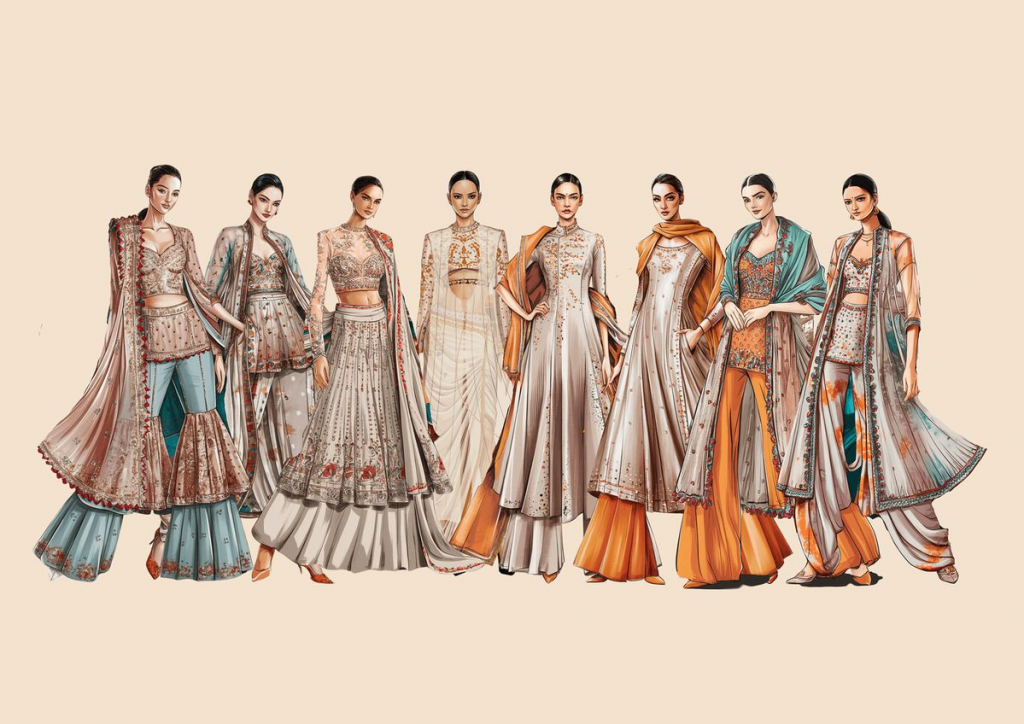
This course teaches the fundamentals of designing garments—from sketching and fabric selection to final stitching. It helps you transform creative ideas into real clothing pieces, with AI-assisted design tools beginning to be incorporated at select forward-thinking institutions in 2026. However, adoption remains uneven, and most entry-level programs still emphasize traditional sketching and prototyping methods. Advanced tech like AI-assisted design and 3D CAD tools are offered mostly in specialized or higher-tier courses; basic programs focus on traditional sketching and digital 2D tools.
Key Topics Covered:
Fashion sketching and illustration
Fabric study and draping
Pattern making and garment construction
Color theory and textile selection
Design process and portfolio creation
Who It’s For:
Beginners, homemakers, and professionals who want to learn how to design garments creatively.
Duration:
Short-term (3–6 months) or professional (1 year).
2. Fashion Styling
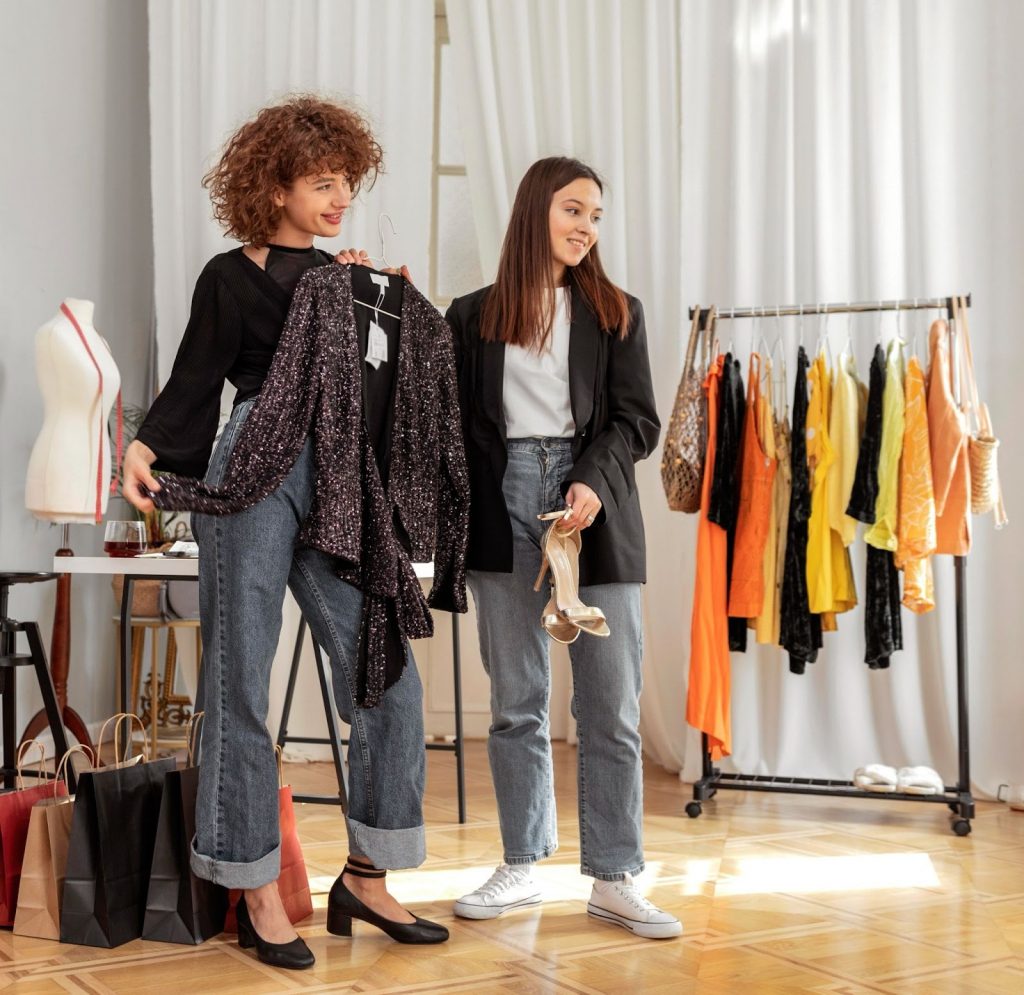
This course focuses on creating the right looks for people, brands, or photo shoots. It helps learners understand personal styling, fashion trends, and aesthetics, including virtual styling apps popular in 2026.
Key Topics Covered:
Body type and wardrobe coordination
Trend forecasting and color matching
Personal grooming and makeup basics
Styling for media, events, and photo shoots
Visual storytelling and presentation
Who It’s For:
Perfect for housewives, influencers, or professionals who enjoy coordinating looks or helping others with personal style.
Duration:
3–6 months.
3. Textile Design
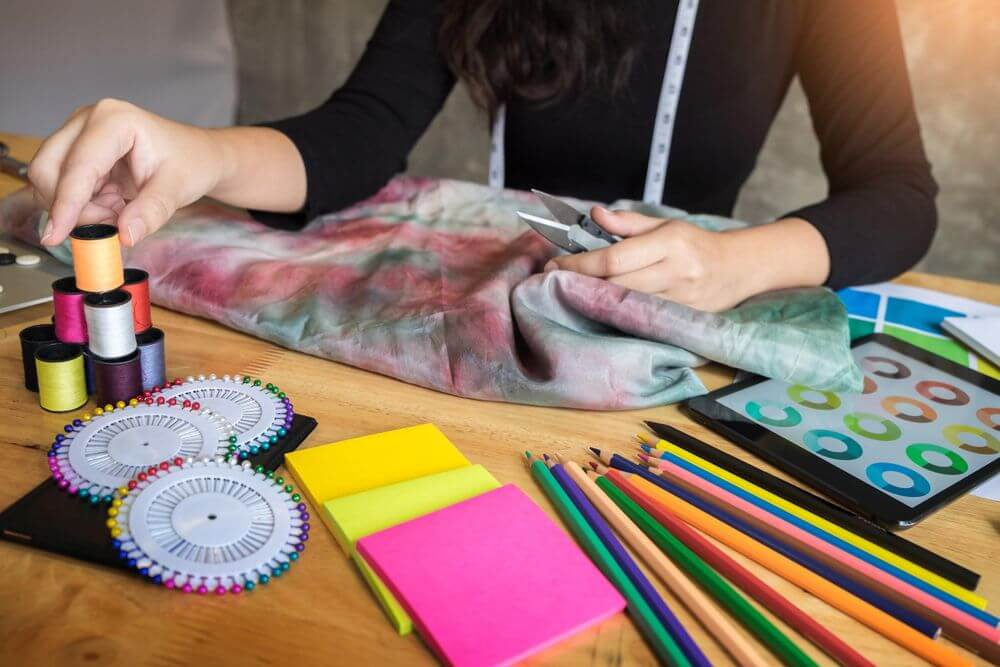
This course explores the creative and technical aspects of fabrics, textures, prints, and colors—the very foundation of fashion design, now emphasizing recycled and organic materials amid 2026's sustainability push.
Key Topics Covered:
Fabric study and fiber properties
Weaving, dyeing, and printing
Surface ornamentation and embroidery
Textile CAD and pattern creation
Sustainable fabric development
Who It’s For:
Creative learners interested in experimenting with materials, prints, and textures.
Duration:
6 months–1 year.
4. Pattern Making and Draping
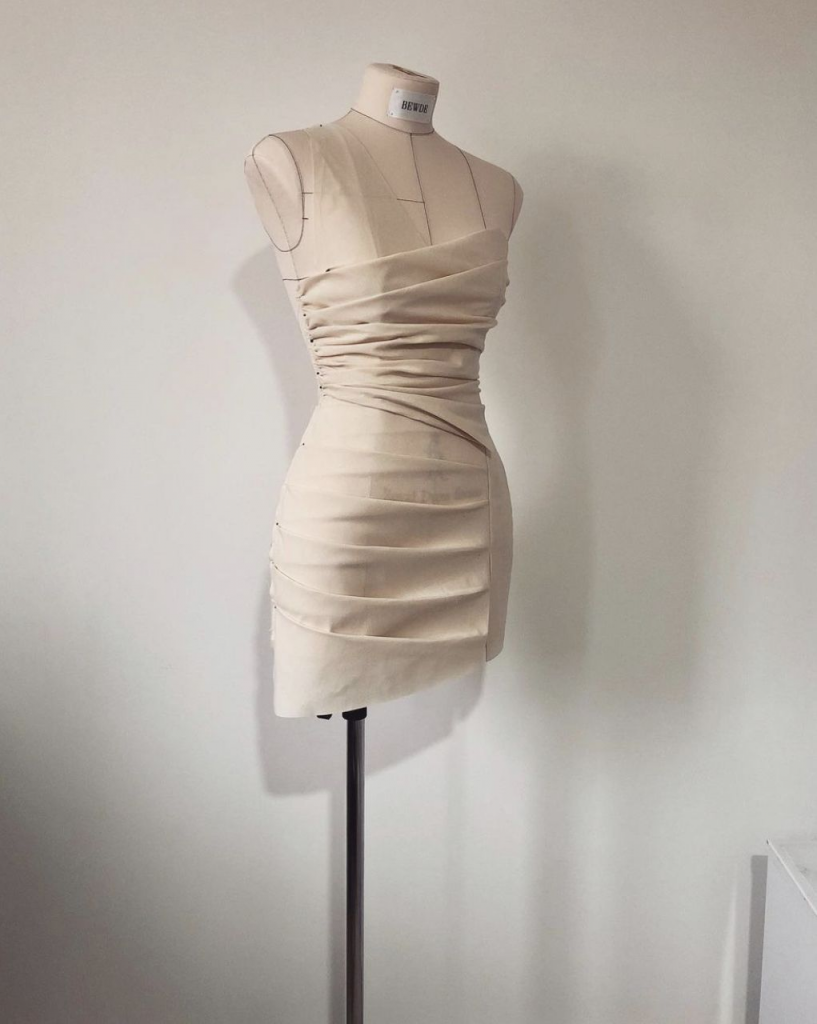
Learn how to translate fashion sketches into real garments through precise pattern creation and draping techniques. Zero-waste pattern-making modules are specifically available at sustainability-focused courses; most colleges teach traditional pattern-making.
Key Topics Covered:
Body measurement and pattern drafting
Draping on mannequins
Grading and sizing
Fabric cutting and fitting
Technical documentation for production
Who It’s For:
Ideal for those who enjoy the technical side of fashion or want to perfect garment construction skills.
Duration:
3–6 months.
5. Accessory Design
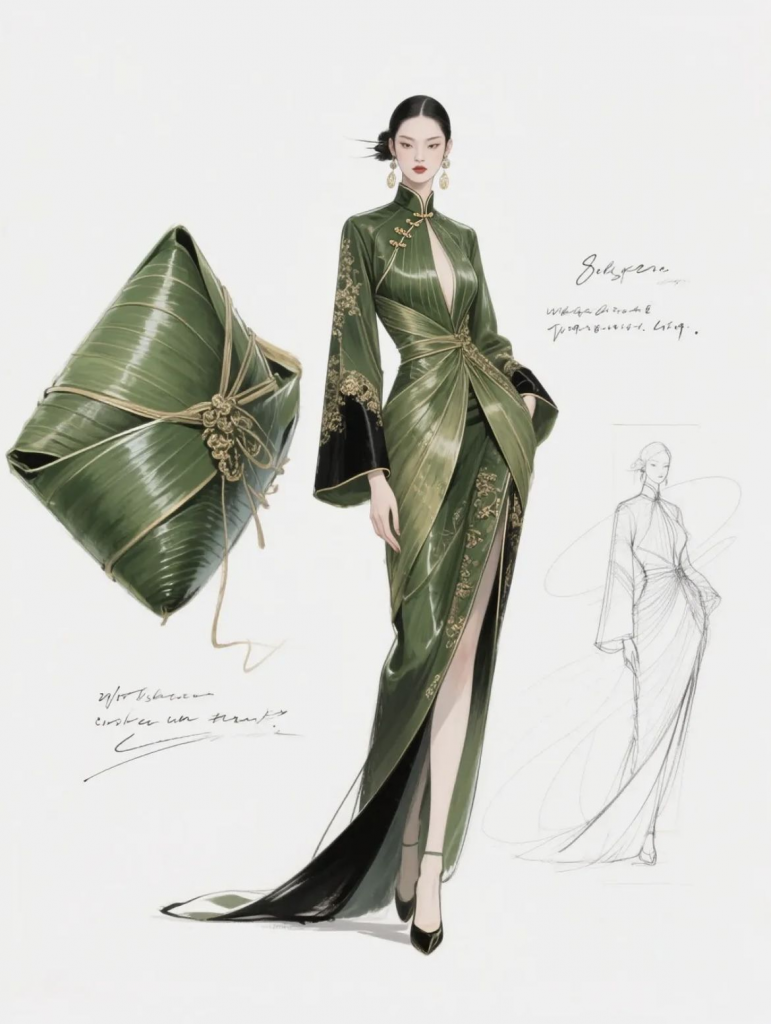
This course teaches how to design and create accessories such as handbags, jewellery, footwear, and belts to complement fashion collections, with a nod to upcycled materials.
Key Topics Covered:
Design concepts and material study
Leather and fabric handling
Product development process
Fashion trends and branding
Handmade and sustainable accessories
Who It’s For:
Housewives or creative professionals who love detailing and craftsmanship.
Duration:
3–6 months.
6. Computer-Aided Fashion Design (CAD)
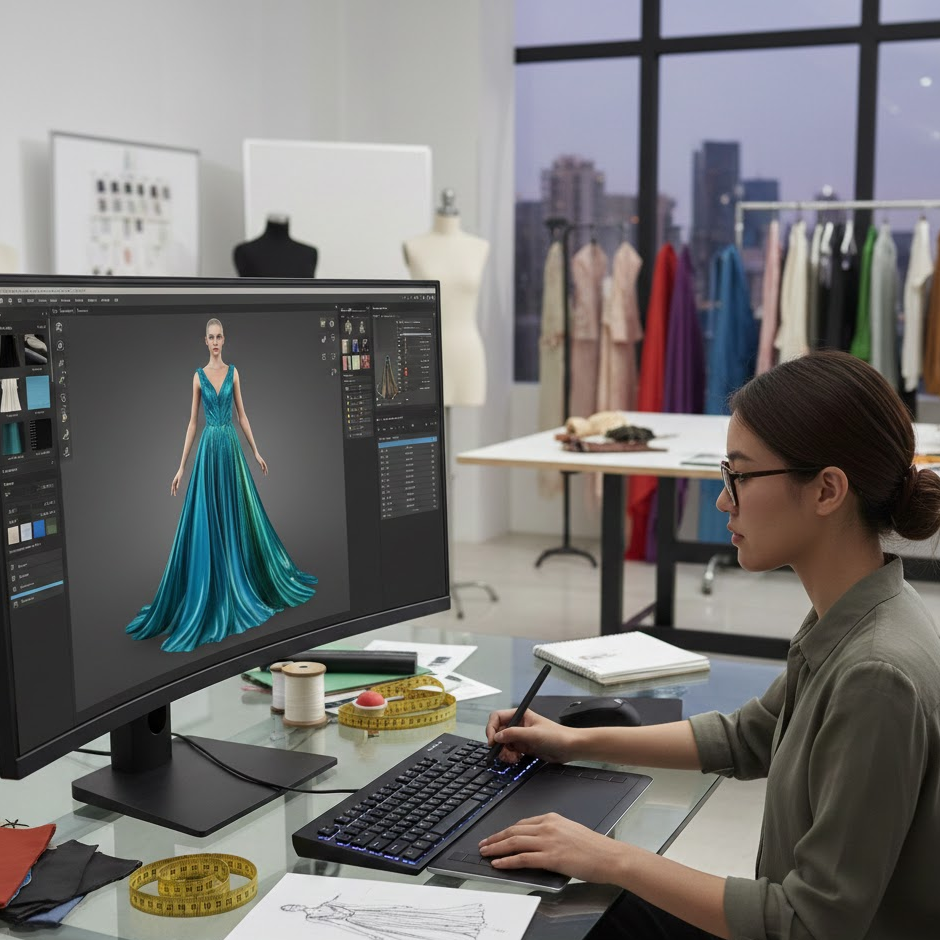
A course that blends fashion creativity with technology. It focuses on using digital tools to design garments and patterns efficiently. Most entry-level CAD courses focus on 2D design and digital pattern-making using Adobe Illustrator and Photoshop. 3D modeling tools are increasingly common in advanced fashion design education; some software is primarily used in animation and gaming, not mainstream fashion CAD programs. 3D visualization is typically included only in advanced programs.
Key Topics Covered:
Adobe Illustrator and Photoshop for fashion
Digital pattern making
3D garment visualization
Print and color rendering
Virtual fashion design
Who It’s For:
Working professionals or learners interested in combining fashion and technology.
Duration:
3–6 months.
7. Fashion Communication

Focuses on the creative side of fashion media, branding, and storytelling. Ideal for those interested in communication, photography, or visual design, with social media strategies updated for 2026 algorithms.
Key Topics Covered:
Fashion journalism and content writing
Brand identity and marketing visuals
Fashion photography and videography
Graphic design for fashion
Social media promotion
Who It’s For:
Housewives or professionals interested in fashion blogging, media, or communication roles.
Duration:
6 months–1 year.
8. Fashion Marketing and Merchandising

A business-oriented course that focuses on how fashion products are planned, promoted, and sold, integrating e-commerce and data analytics trends.
Key Topics Covered:
Retail and consumer behavior
Trend analysis and buying
Visual merchandising
Brand strategy and pricing
Sales and inventory management
Who It’s For:
Ideal for working professionals looking to enter the business or management side of fashion.
Duration:
6 months–1 year.
9. Sustainable Fashion and Ethical Design
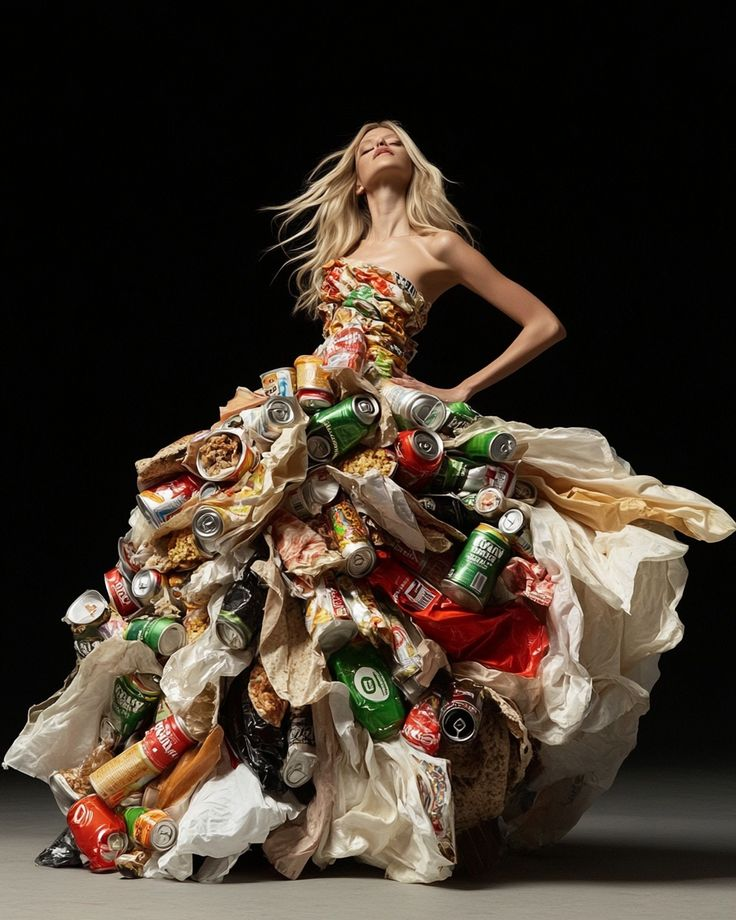
Focuses on eco-friendly practices and responsible fashion production. Perfect for those passionate about conscious creativity, this specialization is increasingly offered at forward-thinking institutions and represents a growing career niche. Sustainable fashion certifications online are emerging but not yet widely available. Most sustainability-focused education is embedded within general fashion courses or offered by a few forward-thinking institutes.
Key Topics Covered:
Organic and recycled fabrics
Upcycling and zero-waste design
Ethical sourcing and production
Sustainable fashion branding
Environmental impact study
Who It’s For:
Creative individuals aiming to make a difference through fashion.
Duration:
3–6 months.
10. Fashion Photography
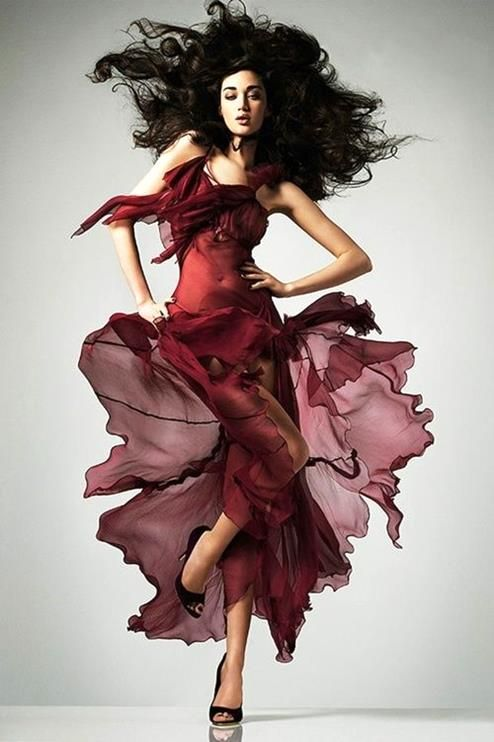
Learn to capture the essence of fashion through visuals and imagery for portfolios, brands, or social media, using drone tech and AI editing tools in updated modules. While some fashion photography programs at well-funded institutions may offer modules on drone technology and VR/AR, traditional and digital photography techniques remain core. VR in fashion photography is an emerging feature and not yet widely integrated in mainstream curricula. Drone technology and VR/AR modules are rare and only offered in select institutions; traditional and digital photography techniques dominate most curricula. Availability depends on institutional investment and course level.
Key Topics Covered:
Lighting and composition
Styling coordination
Studio vs outdoor shoots
Editing and retouching
Portfolio creation
Who It’s For:
Photography enthusiasts, bloggers, and stylists looking to enhance their creative skill set.
Duration:
3–6 months.
Course Duration and Flexibility
In 2026, online fashion learning for beginners dominates, with platforms offering self-paced modules alongside live sessions for real-time feedback. Online, hybrid, and flexible part-time courses are increasingly popular, with offerings suited for working professionals and housewives including weekend batches, evening classes, and self-paced modules.
Short-Term Courses (3–6 Months): Ideal for housewives dipping toes in—think Fashion Styling or Accessory Design, often fully online with virtual critiques.
Diploma or Advanced Programs (1 Year+): For deeper dives like B.Des in Fashion, with hybrid options for pros including weekend intensives.
Flexible Timings: Weekday evenings, weekends, or 24/7 access via apps, accommodating diverse schedules.
Hands-On Elements: Virtual workshops, AR try-ons, and portfolio apps ensure real-world prep without travel, plus access to shared maker spaces.
What You’ll Learn
Fashion curricula blend timeless skills with 2026 innovations, ensuring graduates are versatile:
Technical Skills: Garment construction, sketching, pattern making, and digital tools like CAD with AI integration for efficient prototyping.
Creative Skills: Color theory, styling, trend forecasting (including metaverse trends), and illustration to inspire original concepts.
Business Skills: Branding, merchandising, e-commerce, and sustainable entrepreneurship for launching viable ventures.
Soft Skills: Presentation, client coordination, and ethical decision-making for global markets, emphasizing collaboration and adaptability.
Career Opportunities After Completing Fashion Courses
Traditional fashion roles (designer, stylist, merchandiser) dominate the current job market.
Primary & Established Roles (Majority of Current Opportunities):
Fashion Designer (garment lines for brands)
Stylist / Personal Shopper (celebrity or e-comm gigs)
Boutique Owner / Fashion Entrepreneur (home-based sustainable shops)
Textile or Accessory Designer (eco-material innovators)
Fashion Illustrator or CAD Designer (digital agencies): Most illustration roles are freelance (₹2–10 lakhs/year); senior pros with skills may reach ₹17–41 lakhs in brands. Junior-mid designers: ₹2-10 lakhs/annum; seniors: up to ₹35-40+ lakhs. Freelance varies by project.
Visual Merchandiser / Fashion Consultant (retail chains)
Freelancer (custom orders on Upwork/Etsy)
Conclusion
Fashion education transforms passion into profession, proving creativity knows no age or background. In 2026's dynamic landscape, best fashion courses in India equip you with tools for empowerment and innovation, from zero-waste techniques to digital portfolios. Whether balancing home or work, a fashion course can help you explore your creative potential and step confidently into the world of design. Ready to stitch your story? Enroll today and design your future.
FAQs

Q1. Can housewives take fashion courses part-time?
Yes, many fashion courses for housewives are designed with flexible schedules—including online and weekend options for easy integration.
Q2. What are the best short-term fashion courses in India?
Short-term fashion courses in India include Fashion Styling, CAD Design, and Accessory Design—ideal for beginners with practical focus.
Q3. Do I need a background in fashion to enroll?
No. Most beginner-level online fashion learning for beginners starts from scratch and builds foundational skills for all levels.
Q4. Can working professionals pursue these courses alongside their job?
Yes, flexible fashion courses with modules and online classes make it possible to learn while working, including evening batches.
Q5. What career options are available after completing a fashion course?
You can become a designer, stylist, merchandiser, entrepreneur, or freelancer in the fashion industry, with paths to sustainable niches.

This course teaches the fundamentals of designing garments—from sketching and fabric selection to final stitching. It helps you transform creative ideas into real clothing pieces, with AI-assisted design tools beginning to be incorporated at select forward-thinking institutions in 2026. However, adoption remains uneven, and most entry-level programs still emphasize traditional sketching and prototyping methods. Advanced tech like AI-assisted design and 3D CAD tools are offered mostly in specialized or higher-tier courses; basic programs focus on traditional sketching and digital 2D tools.

Key Topics Covered:

  • Fashion sketching and illustration
  • Fabric study and draping
  • Pattern making and garment construction
  • Color theory and textile selection
  • Design process and portfolio creation

Who It’s For:

Beginners, homemakers, and professionals who want to learn how to design garments creatively.

Duration:

Short-term (3–6 months) or professional (1 year).

2. Fashion Styling

Fashion styling course example: Two women reviewing outfits and accessories on a clothing rack, relevant for professional styling training in India.

This course focuses on creating the right looks for people, brands, or photo shoots. It helps learners understand personal styling, fashion trends, and aesthetics, including virtual styling apps popular in 2026.

Key Topics Covered:

  • Body type and wardrobe coordination
  • Trend forecasting and color matching
  • Personal grooming and makeup basics
  • Styling for media, events, and photo shoots
  • Visual storytelling and presentation

Who It’s For:

Perfect for housewives, influencers, or professionals who enjoy coordinating looks or helping others with personal style.

Duration:

3–6 months.

3. Textile Design

Close-up of a designer working on tie-dye or patterned fabric with spools of thread and drawing tools, ideal illustration for a practical textile design course in India for housewives and working professionals.

This course explores the creative and technical aspects of fabrics, textures, prints, and colors—the very foundation of fashion design, now emphasizing recycled and organic materials amid 2026’s sustainability push.

Key Topics Covered:

  • Fabric study and fiber properties
  • Weaving, dyeing, and printing
  • Surface ornamentation and embroidery
  • Textile CAD and pattern creation
  • Sustainable fabric development

Who It’s For:

Creative learners interested in experimenting with materials, prints, and textures.

Duration:

6 months–1 year.

4. Pattern Making and Draping

Pattern making and draping class example: A beige cocktail dress being draped and pinned directly onto a dress form, a core skill taught in fashion courses in India.

Learn how to translate fashion sketches into real garments through precise pattern creation and draping techniques. Zero-waste pattern-making modules are specifically available at sustainability-focused courses; most colleges teach traditional pattern-making.

Key Topics Covered:

  • Body measurement and pattern drafting
  • Draping on mannequins
  • Grading and sizing
  • Fabric cutting and fitting
  • Technical documentation for production

Who It’s For:

Ideal for those who enjoy the technical side of fashion or want to perfect garment construction skills.

Duration:

3–6 months.

5. Accessory Design

Fashion illustration showing a unique, food-inspired accessory design alongside a matching couture gown, illustrating high-level creative concepts from an accessory design course in India.

This course teaches how to design and create accessories such as handbags, jewellery, footwear, and belts to complement fashion collections, with a nod to upcycled materials.

Key Topics Covered:

  • Design concepts and material study
  • Leather and fabric handling
  • Product development process
  • Fashion trends and branding
  • Handmade and sustainable accessories

Who It’s For:

Housewives or creative professionals who love detailing and craftsmanship.

Duration:

3–6 months.

6. Computer-Aided Fashion Design (CAD)

Woman using a graphics tablet and computer to create 3D garment visualizations, demonstrating the skills gained in a CAD fashion design course for working professionals.

A course that blends fashion creativity with technology. It focuses on using digital tools to design garments and patterns efficiently. Most entry-level CAD courses focus on 2D design and digital pattern-making using Adobe Illustrator and Photoshop. 3D modeling tools are increasingly common in advanced fashion design education; some software is primarily used in animation and gaming, not mainstream fashion CAD programs. 3D visualization is typically included only in advanced programs.

Key Topics Covered:

  • Adobe Illustrator and Photoshop for fashion
  • Digital pattern making
  • 3D garment visualization
  • Print and color rendering
  • Virtual fashion design

Who It’s For:

Working professionals or learners interested in combining fashion and technology.

Duration:

3–6 months.

7. Fashion Communication

Two women discussing fashion trends and using a smartphone, representing the digital and social media skills learned in a fashion communication course in India.

Focuses on the creative side of fashion media, branding, and storytelling. Ideal for those interested in communication, photography, or visual design, with social media strategies updated for 2026 algorithms.

Key Topics Covered:

  • Fashion journalism and content writing
  • Brand identity and marketing visuals
  • Fashion photography and videography
  • Graphic design for fashion
  • Social media promotion

Who It’s For:

Housewives or professionals interested in fashion blogging, media, or communication roles.

Duration:

6 months–1 year.

8. Fashion Marketing and Merchandising

Happy woman on a couch using a laptop for online research or e-commerce, symbolizing the digital aspects of a fashion marketing and merchandising course for professionals.

A business-oriented course that focuses on how fashion products are planned, promoted, and sold, integrating e-commerce and data analytics trends.

Key Topics Covered:

  • Retail and consumer behavior
  • Trend analysis and buying
  • Visual merchandising
  • Brand strategy and pricing
  • Sales and inventory management

Who It’s For:

Ideal for working professionals looking to enter the business or management side of fashion.

Duration:

6 months–1 year.

9. Sustainable Fashion and Ethical Design

Model wearing an ethical upcycled dress made from recycled materials, illustrating a project from a sustainable fashion course in India for students and professionals.

Focuses on eco-friendly practices and responsible fashion production. Perfect for those passionate about conscious creativity, this specialization is increasingly offered at forward-thinking institutions and represents a growing career niche. Sustainable fashion certifications online are emerging but not yet widely available. Most sustainability-focused education is embedded within general fashion courses or offered by a few forward-thinking institutes.

Key Topics Covered:

  • Organic and recycled fabrics
  • Upcycling and zero-waste design
  • Ethical sourcing and production
  • Sustainable fashion branding
  • Environmental impact study

Who It’s For:

Creative individuals aiming to make a difference through fashion.

Duration:

3–6 months.

10. Fashion Photography

Dramatic shot of a model in a flowing red dress, showcasing the high-end visuals related to a fashion photography course for creative professionals in India.

Learn to capture the essence of fashion through visuals and imagery for portfolios, brands, or social media, using drone tech and AI editing tools in updated modules. While some fashion photography programs at well-funded institutions may offer modules on drone technology and VR/AR, traditional and digital photography techniques remain core. VR in fashion photography is an emerging feature and not yet widely integrated in mainstream curricula. Drone technology and VR/AR modules are rare and only offered in select institutions; traditional and digital photography techniques dominate most curricula. Availability depends on institutional investment and course level.

Key Topics Covered:

  • Lighting and composition
  • Styling coordination
  • Studio vs outdoor shoots
  • Editing and retouching
  • Portfolio creation

Who It’s For:

Photography enthusiasts, bloggers, and stylists looking to enhance their creative skill set.

Duration:

3–6 months.

Course Duration and Flexibility

In 2026, online fashion learning for beginners dominates, with platforms offering self-paced modules alongside live sessions for real-time feedback. Online, hybrid, and flexible part-time courses are increasingly popular, with offerings suited for working professionals and housewives including weekend batches, evening classes, and self-paced modules.

  • Short-Term Courses (3–6 Months): Ideal for housewives dipping toes in—think Fashion Styling or Accessory Design, often fully online with virtual critiques.
  • Diploma or Advanced Programs (1 Year+): For deeper dives like B.Des in Fashion, with hybrid options for pros including weekend intensives.
  • Flexible Timings: Weekday evenings, weekends, or 24/7 access via apps, accommodating diverse schedules.
  • Hands-On Elements: Virtual workshops, AR try-ons, and portfolio apps ensure real-world prep without travel, plus access to shared maker spaces.

What You’ll Learn

Fashion curricula blend timeless skills with 2026 innovations, ensuring graduates are versatile:

  • Technical Skills: Garment construction, sketching, pattern making, and digital tools like CAD with AI integration for efficient prototyping.
  • Creative Skills: Color theory, styling, trend forecasting (including metaverse trends), and illustration to inspire original concepts.
  • Business Skills: Branding, merchandising, e-commerce, and sustainable entrepreneurship for launching viable ventures.
  • Soft Skills: Presentation, client coordination, and ethical decision-making for global markets, emphasizing collaboration and adaptability.

Career Opportunities After Completing Fashion Courses

Traditional fashion roles (designer, stylist, merchandiser) dominate the current job market.

Primary & Established Roles (Majority of Current Opportunities):

  • Fashion Designer (garment lines for brands)
  • Stylist / Personal Shopper (celebrity or e-comm gigs)
  • Boutique Owner / Fashion Entrepreneur (home-based sustainable shops)
  • Textile or Accessory Designer (eco-material innovators)
  • Fashion Illustrator or CAD Designer (digital agencies): Most illustration roles are freelance (₹2–10 lakhs/year); senior pros with skills may reach ₹17–41 lakhs in brands. Junior-mid designers: ₹2-10 lakhs/annum; seniors: up to ₹35-40+ lakhs. Freelance varies by project.
  • Visual Merchandiser / Fashion Consultant (retail chains)
  • Freelancer (custom orders on Upwork/Etsy)

Conclusion

Fashion education transforms passion into profession, proving creativity knows no age or background. In 2026’s dynamic landscape, best fashion courses in India equip you with tools for empowerment and innovation, from zero-waste techniques to digital portfolios. Whether balancing home or work, a fashion course can help you explore your creative potential and step confidently into the world of design. Ready to stitch your story? Enroll today and design your future.

FAQs

Graphic illustration spelling out 'FAQ' with question marks and design elements, suitable for the Frequently Asked Questions section of the guide on best fashion courses for professionals in India.

Q1. Can housewives take fashion courses part-time?

Yes, many fashion courses for housewives are designed with flexible schedules—including online and weekend options for easy integration.

Q2. What are the best short-term fashion courses in India?

Short-term fashion courses in India include Fashion Styling, CAD Design, and Accessory Design—ideal for beginners with practical focus.

Q3. Do I need a background in fashion to enroll?

No. Most beginner-level online fashion learning for beginners starts from scratch and builds foundational skills for all levels.

Q4. Can working professionals pursue these courses alongside their job?

Yes, flexible fashion courses with modules and online classes make it possible to learn while working, including evening batches.

Q5. What career options are available after completing a fashion course?

You can become a designer, stylist, merchandiser, entrepreneur, or freelancer in the fashion industry, with paths to sustainable niches.
2 December, 2025

No comments, be the first one to comment !

Leave a Reply

Your email address will not be published. Required fields are marked *